Categories How to Get Rid Of

How To Get Rid Of a Washer and Dryer
How To Get Rid Of a Washer and Dryer

how-to-get-rid-of-a-washer-and-dryer-featured-images

Disposing of an old washer and dryer does not require discarding them. Based on condition, age, and local disposal options, you can sell, donate, recycle, or arrange professional removal.
The suitable method depends on appliance functionality, your removal deadline, and available equipment for moving heavy appliances. This guide covers practical methods for responsible washer and dryer disposal.

1. Sell Your Washer and Dryer

Selling is a good option if your washer and dryer are still working and in decent condition. Many people look for affordable used appliances instead of buying new ones.

You can sell appliances through:

  • Facebook Marketplace
  • Craigslist
  • Local classified websites
  • Community groups

To improve your chances of selling:

  • Take clear photos
  • Include the brand and model number
  • Mention the age and condition
  • Be honest about any problems
  • Include pickup details

Selling works best for newer or well-maintained washers and dryers. Older appliances with frequent issues may take longer to find a buyer.

2. Donate a Working Washer and Dryer

If your appliances still work but you no longer need them, donation can be a helpful option. Some charities and community organizations accept large appliances for reuse.

Before donating, check:

  • Whether they accept washers and dryers
  • If they offer pickup
  • Whether there are condition requirements

Donation is a good choice when you want to give your appliance a second life instead of disposing of it.

3. Recycle Your Old Washing Machine

Washing machine recycling is a responsible way to dispose of old appliances, especially if they no longer work. Washers and dryers contain valuable materials such as metal parts that can often be recovered and reused.

Common recycling options include:

  • Appliance recycling centers
  • Scrap metal facilities
  • Local recycling programs
  • Manufacturer recycling programs

Some recycling services also provide appliance pickup, making it easier if you do not have a truck or cannot move the machine yourself.

Always confirm what materials the recycling facility accepts before dropping off your appliance.

4. Use an Appliance Store Haul-Away Service

If you are buying a new washer or dryer, ask the retailer whether they offer old appliance removal.

Many appliance stores provide:

  • Delivery of your new appliance
  • Removal of the old unit
  • Recycling or disposal services

This can be a convenient option because the old machine is removed at the same time your replacement arrives.

Check the store’s policies because availability, fees, and accepted appliances can vary.

5. Schedule Local Bulk Appliance Pickup

Some cities and waste programs offer bulk item pickup for large appliances. This service may allow residents to schedule removal of old washers, dryers, and other large household items.

Before scheduling pickup, check:

  • Accepted appliance types
  • Pickup dates
  • Preparation requirements
  • Any service fees

Local programs may have limits on size, quantity, or placement location. Following their rules helps avoid missed pickups.

6. Rent a Dumpster for Large Cleanouts

A dumpster can be useful when you are removing multiple appliances or cleaning out a property. It allows you to dispose of approved items over several days without making repeated trips to a disposal facility.

A dumpster may be a good choice for:

  • Home renovations
  • Rental property cleanouts
  • Estate cleanouts
  • Multiple large appliances
  • Mixed household debris

Before renting, confirm:

  • Whether washers and dryers are accepted
  • Weight limits
  • Rental period
  • Additional disposal fees

For homeowners in Hampton Roads, B&F Junk Removal provides dumpster rental services with convenient drop-off and pickup when your cleanup is complete.

7. Hire a Washer and Dryer Removal Service

Moving a washer and dryer can be difficult because these appliances are heavy, bulky, and often located in tight spaces. A professional removal service can handle the lifting, loading, transportation, and disposal.

Professional washer and dryer removal is helpful for:

  • Heavy or broken appliances
  • Upstairs locations
  • Multiple appliances
  • Limited access areas
  • Home cleanouts
  • People without a truck or proper equipment

B&F Junk Removal provides washer and dryer removal services across Hampton Roads. Our team handles pickup, loading, hauling, and disposal, making appliance removal simple and stress-free.

Which Washer and Dryer Disposal Option Is Best?

Your Situation Best Option
Appliance is working and in good condition Sell or donate
Buying a replacement appliance Store haul-away service
Old but still usable washer/dryer Resale or donation
Broken or damaged appliance Recycling
No truck or help to move it Professional removal
Multiple appliances or full cleanout Dumpster rental or junk removal

Can You Put a Washing Machine in a Dumpster?

Sometimes, but it depends on the dumpster provider and disposal rules. Some dumpsters accept old appliances, while others may require separate recycling or special handling.

Before placing a washer or dryer in a dumpster, confirm:

  • Appliance acceptance rules
  • Weight limits
  • Additional fees
  • Recycling requirements

Checking first helps avoid unexpected charges or rejected loads.

How Much Does Washing Machine Disposal Cost?

The cost of disposing of a washer or dryer depends on several factors, including:

  • Appliance condition
  • Number of appliances
  • Location
  • Transportation requirements
  • Recycling or disposal fees
  • Labor needed for removal

Selling or donating may cost nothing, while professional removal usually depends on the size and difficulty of the job.

Need Help Removing an Old Washer and Dryer?

B&F Junk Removal helps homeowners and businesses across Hampton Roads remove unwanted washers, dryers, and other large appliances. We handle pickup, loading, hauling, and disposal so you do not have to move heavy appliances yourself.

Related Post

How to Get Rid of Furniture

How to Get Rid of Furniture: 7 Ways to Dispose of Unwanted Furniture If you’re trying to figure out how to get rid of furniture, you have several options. You can sell it, donate it, give it away, recycle certain materials, use a local bulk-waste service, rent a dumpster, or hire a junk removal company. The best choice depends on the condition of the furniture, its size, how quickly you need it gone, and whether you can move it yourself. This guide explains the main furniture disposal options, what works for different types of furniture, and when professional furniture removal may make more sense. 1. Sell Furniture That Is Still in Good Condition Furniture that is clean, usable, and in reasonable condition may still have resale value. You can try selling items such as: Couches and sofas Dining tables Chairs Dressers Desks Bed frames Bookshelves Cabinets Online marketplaces, community groups, yard sales, and local resale shops can help you find buyers. Selling furniture may take time, so this option works best when you are not in a hurry to clear the space. 2. Donate Usable Furniture Donation can be a good option when the furniture is still usable but you

How To Get Rid Of a Washer and Dryer

How To Get Rid Of a Washer and Dryer Disposing of an old washer and dryer does not require discarding them. Based on condition, age, and local disposal options, you can sell, donate, recycle, or arrange professional removal.The suitable method depends on appliance functionality, your removal deadline, and available equipment for moving heavy appliances. This guide covers practical methods for responsible washer and dryer disposal. 1. Sell Your Washer and Dryer Selling is a good option if your washer and dryer are still working and in decent condition. Many people look for affordable used appliances instead of buying new ones. You can sell appliances through: Facebook Marketplace Craigslist Local classified websites Community groups To improve your chances of selling: Take clear photos Include the brand and model number Mention the age and condition Be honest about any problems Include pickup details Selling works best for newer or well-maintained washers and dryers. Older appliances with frequent issues may take longer to find a buyer. 2. Donate a Working Washer and Dryer If your appliances still work but you no longer need them, donation can be a helpful option. Some charities and community organizations accept large appliances for reuse. Before donating, check:

How to Get Rid of Yard Waste

How to Dispose of Yard Waste, Grass, Brush & Tree Limbs The best way to get rid of yard waste depends on what you have, how much there is, and your local disposal rules.  Small amounts of grass and leaves may be composted or collected curbside, while branches, brush, storm debris, and large cleanups may require a drop-off site or professional yard waste removal. 1. Leave Grass Clippings on the Lawn You may not need to remove grass clippings after every mow. If the clippings are short and dry, leave them on the lawn and let them break down naturally.  This is often the easiest option because there is nothing to bag, load, or haul away. The clippings can also return nutrients to the soil as they decompose. This method works best when: The grass is cut regularly The clippings are not too long or thick The lawn is healthy and free from disease If the grass is wet, very long, or piled in thick layers, collect it instead. Large clumps can block sunlight and make the lawn look messy. 2. Compost Yard Waste Composting is a good way to dispose of leaves, grass clippings, small plant cuttings, and some

How to Get Rid of a Treadmill

How to Get Rid of a Treadmill: Complete Guide to Treadmill Disposal, Recycling & Removal A treadmill can be a great investment when you use it regularly, but once it stops working, becomes outdated, or takes up valuable space, getting rid of it can become a challenge. Unlike smaller household items, treadmills are large, heavy, and difficult to move. Many homeowners find themselves asking: How do I get rid of a treadmill? How do I dispose of an old treadmill? Where can I take a broken treadmill? The good news is there are several options available depending on the condition of your treadmill. You can sell it, donate it, recycle it, or hire a professional junk removal company to handle the removal. This guide explains the best ways to handle treadmill disposal safely and responsibly. Why Is Treadmill Disposal Difficult? Treadmills are not like ordinary household junk. They contain: Heavy steel frames Electric motors Circuit boards Plastic components Rubber belts Electronic wiring Most treadmills weigh between 200 and 300 pounds, and commercial models can weigh even more. Because of their size and weight, many people struggle with: Moving the treadmill through doorways Carrying it downstairs Finding a vehicle large enough

How to Get Rid of an Air Conditioner

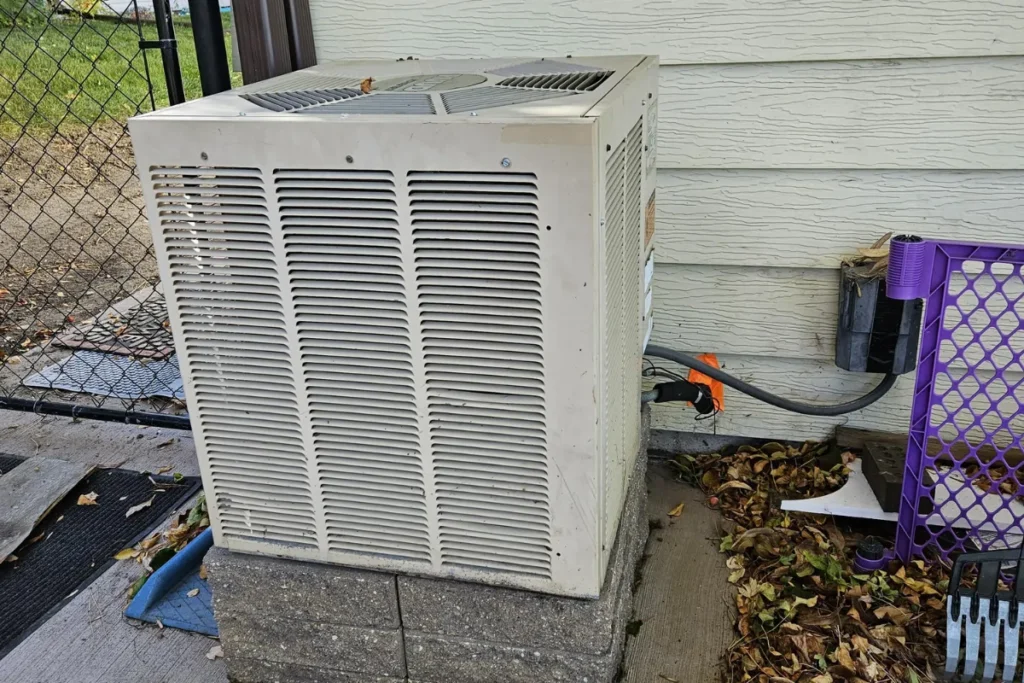
How to Get Rid of an Air Conditioner: Complete Guide to AC Disposal & Recycling Old air conditioners can be difficult to get rid of. Unlike regular household junk, you usually cannot just place an old AC unit on the curb and expect it to be picked up with normal trash. Air conditioners contain refrigerants, metals, electrical components, and other materials that require proper handling. If you are wondering how to get rid of an air conditioner, where to dispose of an air conditioner, or what to do with an old AC unit, this guide explains the safest and easiest options. Whether you have an old window air conditioner, portable AC unit, or a larger air conditioning system, there are several responsible ways to dispose of it. Why You Should Not Throw Away an Old Air Conditioner Many homeowners assume they can simply throw an old air conditioner in the trash. However, AC units require special disposal because they contain refrigerants such as hydrofluorocarbons (HFCs) or other cooling chemicals. If an air conditioner is damaged or improperly discarded, refrigerants can escape into the environment. Proper air conditioner disposal helps: Protect the environment Prevent harmful refrigerant leaks Recover valuable metals and

How to Get Rid of a Piano

How to Get Rid of a Piano: 7 Safe and Practical Options Getting rid of a piano usually comes down to seven choices: sell or trade it, give it away, donate it, repurpose it, recycle usable materials, use an approved local bulk-disposal option, or hire a professional piano removal company.  The right choice depends on four things: the piano’s condition, realistic value, route out of the property, and your deadline. If the piano plays well and has been maintained, begin with a dealer, technician, buyer, or donation program.  If it is broken, water-damaged, moldy, incomplete, or no organization will accept it, professional removal is often the most practical next step. 1. Sell, Consign, or Trade In the Piano Selling is worth testing when the piano is playable, structurally sound, and made by a brand with an active used market. Contact local piano dealers before relying on online asking prices. A dealer can tell you whether the model is suitable for trade-in, consignment, direct purchase, or professional appraisal. For a private listing, include the brand, model, serial number, approximate age, dimensions, condition, service history, location, stairs, pickup deadline, and several photos. State clearly whether the buyer must arrange a qualified mover.

How to Get Rid of a Hot Tub: 7 Safe and Practical Options

How to Get Rid of a Hot Tub: 7 Safe and Practical Options The best way to get rid of a hot tub is to match the disposal method to the spa’s condition. A working, portable unit may be sold, donated, traded in, or relocated.  A damaged or built-in hot tub usually needs to be drained correctly, disconnected from utilities, dismantled, loaded, and taken to approved disposal or recycling facilities. If the unit is hardwired, surrounded by decking, set into the ground, or difficult to reach, professional hot tub removal is usually the safer and simpler option. Do not place an intact hot tub at the curb or take it to a dump without checking acceptance rules first. Municipal collection limits, transfer-station policies, chemical-disposal requirements, and preparation rules vary by city. 1. Sell It or Give It Away If the hot tub works, test it before listing it. Clean it, photograph the shell and equipment area, record the make and model, and disclose leaks, damaged controls, missing covers, or other problems. Include the approximate dimensions and explain whether the buyer must disconnect and remove it. Selling is most realistic when the spa is accessible and can be transported intact. A

How To Dispose Of a Mattress

10 Best Ways to Dispose of a Mattress Getting rid of an old mattress is easier than you might think. Depending on its condition and your local regulations, you can recycle it, donate it, schedule curbside pickup, or hire a junk removal company. Choosing the right disposal method helps reduce landfill waste and ensures your mattress is handled responsibly. In this guide, you’ll discover 10 easy ways to dispose of a mattress, so you can choose the fastest, most affordable, and most eco-friendly option for your needs. 1. Hire a Junk Removal Company Hiring a junk removal company is the fastest and most convenient way to dispose of a mattress. Most companies offer same-day or next-day pickup, handle all the heavy lifting, and dispose of the mattress responsibly. It’s an ideal option for heavy, bulky, or hard-to-move mattresses. Professional mattress removal typically costs $75–$150 for a standard mattress, depending on your location and service provider. 2. Recycle Your Mattress Recycling is one of the most eco-friendly ways to dispose of a mattress. Recycling facilities separate the steel springs, foam, wood, and fabric so they can be reused in new products. Search for a local mattress recycling center or state-approved recycling

How to Get Rid of Cardboard: 6 Practical Options

How to Get Rid of Cardboard: 6 Practical Options The best way to get rid of cardboard is to reuse sturdy boxes and recycle clean, flattened cardboard through an approved collection or drop-off program. If you have a large pile, limited transportation, or other junk to remove, professional pickup is another option. Suitable plain cardboard can also be composted. Before choosing a method, look at the condition of the boxes, how much you have, and whether you can transport them. A few delivery cartons need a different plan than a garage full of moving boxes and appliance packaging. Choose the Right Cardboard Disposal Option Option Best for What to check Reuse at home Best for Sturdy boxes you have a specific use for What to check Condition and available storage space Give away or sell Best for Clean moving boxes someone else can use What to check Whether the recipient will collect them Curbside recycling Best for Ordinary household quantities that fit your container What to check Accepted materials and set-out rules Recycling drop-off Best for Extra cardboard you can transport What to check Residency, load limits, and facility access Home composting Best for Small amounts of suitable plain cardboard

Categories How to Get Rid Of

How to Get Rid of Yard Waste

How to Dispose of Yard Waste, Grass, Brush & Tree Limbs

how-to-dispose-of-yard-waste-featured-images

The best way to get rid of yard waste depends on what you have, how much there is, and your local disposal rules. 

Small amounts of grass and leaves may be composted or collected curbside, while branches, brush, storm debris, and large cleanups may require a drop-off site or professional yard waste removal.

1. Leave Grass Clippings on the Lawn

You may not need to remove grass clippings after every mow. If the clippings are short and dry, leave them on the lawn and let them break down naturally. 

This is often the easiest option because there is nothing to bag, load, or haul away. The clippings can also return nutrients to the soil as they decompose.

This method works best when:

  • The grass is cut regularly
  • The clippings are not too long or thick
  • The lawn is healthy and free from disease

If the grass is wet, very long, or piled in thick layers, collect it instead. Large clumps can block sunlight and make the lawn look messy.

2. Compost Yard Waste

Composting is a good way to dispose of leaves, grass clippings, small plant cuttings, and some garden waste without sending them to a landfill. Place the material in a compost bin or pile and mix fresh green waste with dry materials such as leaves or plain cardboard.

Avoid adding large branches, treated wood, plastic, rocks, or diseased plants unless your compost system can safely handle them. Grass should also be added in thin layers because a large pile of fresh clippings can become wet, compacted, and smelly.

Composting works best for homeowners who have space and do not need the waste removed immediately.

3. Use Curbside Yard Waste Pickup

Many cities and waste companies offer curbside collection for leaves, grass, branches, and other yard debris. This can be one of the easiest options if the service is available in your area.

You may need to place yard waste in approved paper bags, containers, or tied bundles. Branches may also need to be cut to a certain length or size before pickup.

Before setting anything out, check:

  • Pickup days
  • Bag or container rules
  • Branch size limits
  • Weight limits
  • Seasonal collection schedules

Do not assume yard waste can go in your regular trash cart. Local collection rules can be different from normal household garbage rules.

4. Take It to a Yard Waste Drop-Off Site

If curbside pickup is not available, you may be able to take grass, leaves, brush, and branches to a local yard waste drop-off site. These facilities may compost or recycle the material instead of sending it to a landfill.

Some locations offer free yard waste disposal for local residents, while others charge by load, weight, or vehicle type. You may also need to show proof of residency.

Before loading your vehicle, confirm what the site accepts. Some facilities take grass clippings and brush but may refuse soil, stumps, treated wood, rocks, or mixed household junk. Checking first can help you avoid a wasted trip.

5. Use a Brush or Tree Limb Pickup Service

Brush pickup or tree limb collection is useful after trimming shrubs, cutting branches, or cleaning up after a storm. Some municipalities offer scheduled pickup, while private companies can remove larger piles when city collection is not available.

You may need to cut branches into shorter sections or stack them neatly near the curb. Very large limbs, logs, or tree trunks may require a tree service or professional hauling company.

This option works well when you have more material than you can fit into yard waste bags but do not need a full dumpster or large cleanup service.

6. Rent a Dumpster

A dumpster can be useful for large landscaping jobs, property cleanups, or projects that create a lot of yard debris at once. You can load branches, brush, leaves, and other approved material over several days instead of making repeated trips to a disposal site.

Before renting, ask the provider exactly what can go inside. Yard waste rules are not the same everywhere, and some dumpsters may not allow soil, stumps, large logs, or mixed debris.

Also check:

  • Weight limits
  • Rental period
  • Extra disposal fees
  • Whether yard waste must be kept separate

A dumpster is usually best when you have a large amount of debris and want to work at your own pace.

B&F Junk Removal provides dumpster rental services across Hampton Roads, with convenient drop-off and pickup when you’re done.

7. Hire a Yard Waste Removal Service

Professional yard waste removal is a practical option when you have a large pile of debris, heavy branches, storm waste, or no easy way to transport the material yourself. A removal crew can handle the loading, hauling, and disposal for you.

This option can be especially helpful for:

  • Large yard cleanups
  • Tree limb and brush removal
  • Rental property cleanouts
  • Storm debris
  • Mixed lawn and household junk
  • Homeowners without a truck or trailer

Before booking, ask what types of yard waste the company accepts and whether disposal is included in the quoted price. This helps you avoid unexpected fees and makes the cleanup process easier.

B&F Junk Removal provides yard waste removal services across Hampton Roads. We remove branches, brush, lawn debris, and other yard waste with easy pickup, hauling, and disposal.

Which Option Is Best for Your Yard Waste?

The best yard waste disposal method depends on the type and amount of waste you have, your available time, and whether you can handle the loading and transportation yourself.

Your Situation Best Option Why It Works
A few bags of grass clippings or leaves Compost or leave on lawn Easy, low-cost option for small amounts of yard waste
Regular lawn cleanup Curbside yard waste pickup Convenient if your area offers scheduled collection
Large amounts of leaves, brush, or branches Yard waste drop-off site Good option if you have a vehicle and a nearby disposal location
Heavy branches or storm debris Brush or tree limb pickup Helps remove bulky yard waste that is difficult to handle alone
Large landscaping project or property cleanup Dumpster rental Provides space for large amounts of debris over several days
No truck, limited time, or large debris pile Professional yard waste removal Saves time by handling loading, hauling, and disposal for you

This comparison helps you quickly choose the right option based on your cleanup size, available resources, and how much work you want to handle yourself.

Why Can’t You Put Yard Waste in Regular Trash?

In many areas, yard waste cannot go into regular household trash because it is often handled differently from other garbage. Grass, leaves, branches, and other organic materials can be recycled into compost or mulch instead of being sent to landfills.

Common reasons for yard waste restrictions include:

  • Yard waste takes up valuable landfill space
  • Organic materials can be processed into reusable products
  • Some waste systems require separate collection for recycling
  • Large branches and brush can damage collection equipment

Always check your local waste rules because requirements vary by city and county.

What Counts as Yard Waste?

Yard waste usually includes natural materials that come from lawn care, gardening, and tree maintenance.

Common examples include:

  • Grass clippings
  • Leaves
  • Tree branches
  • Brush and shrubs
  • Weeds
  • Garden plants
  • Hedge trimmings
  • Small sticks and twigs

Items that are usually not considered yard waste include:

  • Soil and dirt
  • Rocks
  • Concrete
  • Treated wood
  • Plastic pots
  • Landscaping materials
  • Household trash

Knowing what qualifies as yard waste helps you choose the right disposal option and avoid problems at pickup or drop-off locations.

Need Help Removing Yard Waste?

Don’t let piles of branches, brush, and lawn debris take over your property. B&F Junk Removal provides reliable yard waste removal services across Hampton Roads, handling pickup, loading, hauling, and disposal for a cleaner yard without the hassle.

Contact B&F Junk Removal today for fast and convenient yard waste removal.

Related Post

Categories How to Get Rid Of

How to Get Rid of a Treadmill

How to Get Rid of a Treadmill: Complete Guide to Treadmill Disposal, Recycling & Removal

Get Rid of an Air Conditioner a Complete Guide

A treadmill can be a great investment when you use it regularly, but once it stops working, becomes outdated, or takes up valuable space, getting rid of it can become a challenge.

Unlike smaller household items, treadmills are large, heavy, and difficult to move. Many homeowners find themselves asking:

  • How do I get rid of a treadmill?
  • How do I dispose of an old treadmill?
  • Where can I take a broken treadmill?

The good news is there are several options available depending on the condition of your treadmill. You can sell it, donate it, recycle it, or hire a professional junk removal company to handle the removal.

This guide explains the best ways to handle treadmill disposal safely and responsibly.

Why Is Treadmill Disposal Difficult?

Treadmills are not like ordinary household junk. They contain:

  • Heavy steel frames
  • Electric motors
  • Circuit boards
  • Plastic components
  • Rubber belts
  • Electronic wiring

Most treadmills weigh between 200 and 300 pounds, and commercial models can weigh even more.

Because of their size and weight, many people struggle with:

  • Moving the treadmill through doorways
  • Carrying it downstairs
  • Finding a vehicle large enough for transport
  • Locating recycling facilities that accept exercise equipment

That is why many homeowners search for treadmill removal, treadmill pickup, or treadmill haul away services.

1. Sell Your Used Treadmill

If your treadmill is still working, selling it can be a good option.

Many people search for affordable workout equipment, especially if the treadmill is in good condition.

You can try:

  • Facebook Marketplace
  • Craigslist
  • Local buy-and-sell groups
  • Used fitness equipment stores

People often search:

  • how to sell a treadmill
  • where to sell a treadmill
  • where to sell used treadmill
  • selling exercise equipment

Before listing your treadmill:

  • Clean the treadmill
  • Remove dust, wipe the display, and clean the belt.

Provide accurate information

Include:

  • Brand and model
  • Age
  • Condition
  • Maximum speed
  • Weight capacity
  • Any repairs needed

Be realistic about the price

Older treadmills lose value quickly. A treadmill that cost thousands of dollars when new may only sell for a fraction of the original price.

Also remember: buyers may expect you to help move it, which can be difficult because of the treadmill’s size.

2. Donate Your Treadmill

Donating exercise equipment is another option if your treadmill is still functional.

Organizations that may accept treadmills include:

  • Community centers
  • Schools
  • Local gyms
  • Nonprofits
  • Churches
  • Youth organizations

People often search:

  • where can I donate a treadmill
  • where to donate a treadmill
  • where can I donate exercise equipment
  • donating exercise equipment

Before donating, always contact the organization first.

Many donation centers do not accept large exercise equipment because they may not have enough storage space or staff to move heavy items.

3. Recycle Your Old Treadmill

If your treadmill no longer works, recycling may be the best choice.

A treadmill contains materials that can be recovered, including:

  • Steel
  • Aluminum
  • Copper wiring
  • Electronic components

Proper treadmill recycling helps reduce unnecessary waste and allows valuable materials to be reused.

Search terms like:

  • treadmill recycling near me
  • recycle exercise equipment
  • gym equipment recycling
  • exercise equipment disposal

can help you find local recycling options.

However, some recycling facilities do not accept treadmills because of their size. You may need to transport the equipment yourself or arrange pickup.

4. Hire a Professional Treadmill Removal Service

For many homeowners, professional removal is the easiest solution.

A junk removal company can handle:

  • Heavy lifting
  • Disassembly if needed
  • Transportation
  • Proper disposal or recycling

This is especially helpful for:

  • Broken treadmills
  • Old exercise equipment
  • Basement treadmills
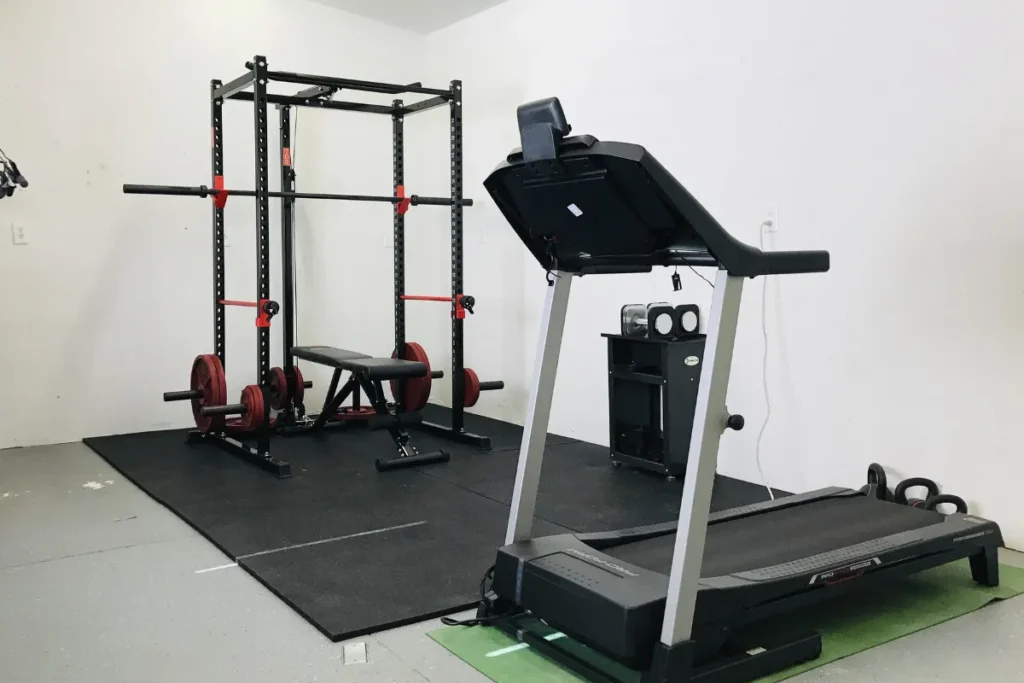
  • Garage gym equipment
  • Commercial gym equipment

If you are searching for:

  • treadmill removal near me
  • treadmill pickup
  • broken treadmill disposal near me
  • free exercise equipment removal
  • haul away treadmill

professional junk removal can save you time and prevent injuries.

At B&F Junk Removal, we help homeowners remove unwanted exercise equipment and large household items without the stress of moving heavy equipment themselves.

5. What To Do With a Broken Treadmill

A broken treadmill is one of the most common reasons people look for disposal options.

Common problems include:

  • Motor failure
  • Broken belt
  • Electrical issues
  • Damaged control panel
  • Worn-out parts

Many homeowners ask:

What do I do with a broken treadmill?

Your options include:

Repair it

If the treadmill is newer and repairs are affordable, fixing it may make sense.

Sell it for parts

Some repair technicians or hobbyists buy broken exercise equipment.

Recycle it

A recycling center may accept the treadmill after separating certain components.

Schedule removal

If repair is not worth the cost, professional removal is usually the simplest option.

6. Can You Throw Away a Treadmill?

Many people search:

How to throw away a treadmill?

Technically, some local waste services may accept large items, but regular trash pickup often does not handle treadmills.

Problems include:

  • Weight restrictions
  • Transportation requirements
  • Disposal regulations
  • Limited landfill space

Instead of leaving an old treadmill outside, check local guidelines or use a professional removal service.

How Much Does Treadmill Removal Cost?

The cost of treadmill removal depends on:

  • Size and weight of the treadmill
  • Location inside your home
  • Number of items being removed
  • Distance for transportation
  • Disposal requirements

A treadmill in a garage is usually easier to remove than one located in a basement or upstairs room.

Many junk removal companies provide upfront pricing based on the amount of space your items take in their truck.

How to Prepare a Treadmill for Removal

Before your treadmill pickup:

1. Remove personal items

Take off:

  • Water bottles

  • Towels

  • Accessories

  • Electronics

2. Unplug the treadmill

Disconnect power before moving.

3. Clear the pathway

Create enough space for safe removal.

4. Check if disassembly is needed

Some treadmills fold or separate into smaller pieces.

However, avoid taking apart complicated electrical components unless you know what you are doing.

The Best Way to Get Rid of an Old Treadmill

The right disposal method depends on your treadmill’s condition.

Working treadmill:

  • Sell it
  • Donate it
  • Give it away

Old or broken treadmill:

  • Recycle it
  • Use exercise equipment disposal services
  • Schedule professional removal

For homeowners who want a fast and convenient solution, professional treadmill removal is often the easiest option.

You do not have to worry about lifting hundreds of pounds, finding transportation, or figuring out where the treadmill should go.

Need Help With Treadmill Removal?

B&F Junk Removal helps homeowners and businesses remove unwanted items, including old treadmills, exercise equipment, and bulky household junk throughout Hampton Roads, VA.

Whether you have a broken treadmill sitting in your garage or outdated gym equipment taking up space, our team can help with safe and convenient removal.

Contact B&F Junk Removal today to schedule your treadmill pickup.

Categories How to Get Rid Of

How to Get Rid of an Air Conditioner

How to Get Rid of an Air Conditioner: Complete Guide to AC Disposal & Recycling

Old air conditioners can be difficult to get rid of. Unlike regular household junk, you usually cannot just place an old AC unit on the curb and expect it to be picked up with normal trash. Air conditioners contain refrigerants, metals, electrical components, and other materials that require proper handling.

If you are wondering how to get rid of an air conditioner, where to dispose of an air conditioner, or what to do with an old AC unit, this guide explains the safest and easiest options.

Whether you have an old window air conditioner, portable AC unit, or a larger air conditioning system, there are several responsible ways to dispose of it.

Why You Should Not Throw Away an Old Air Conditioner

Many homeowners assume they can simply throw an old air conditioner in the trash. However, AC units require special disposal because they contain refrigerants such as hydrofluorocarbons (HFCs) or other cooling chemicals.

If an air conditioner is damaged or improperly discarded, refrigerants can escape into the environment.

Proper air conditioner disposal helps:

  • Protect the environment
  • Prevent harmful refrigerant leaks
  • Recover valuable metals and materials
  • Follow local disposal regulations
  • Keep hazardous components out of landfills

Instead of asking, “Can I throw out an air conditioner?” it is better to ask, “What is the correct way to recycle or dispose of an old AC unit?”

How to Dispose of an Old Air Conditioner

There are several options for disposing of an air conditioner depending on its condition, type, and your location.

1. Schedule Professional AC Disposal or Junk Removal

The easiest option for most homeowners is hiring a professional junk removal company.

A professional team can:

  • Remove the AC unit safely
  • Handle heavy lifting
  • Transport the unit properly
  • Take it for recycling or approved disposal

This is especially helpful for:

  • Old window AC units
  • Heavy portable air conditioners
  • Multiple old AC units
  • Units removed during home renovations

If you are searching for AC disposal near me, air conditioning disposal near me, or AC unit pickup today, professional junk removal can save time and effort.

At B&F Junk Removal, we help homeowners remove unwanted appliances, including old air conditioners, without the hassle of figuring out transportation or disposal rules.

2. Recycle Your Old Air Conditioner

Many old air conditioners can be recycled.

Air conditioners contain valuable materials including:

  • Aluminum
  • Copper wiring
  • Steel
  • Plastic components

During the recycling process, these materials can be recovered and reused.

If you are searching for:

  • AC recycling near me
  • air conditioner recycling
  • where can I recycle air conditioners
  • where to recycle AC units
  • recycle old air conditioner

look for local recycling facilities or companies that accept appliances.

Keep in mind that many recycling centers require refrigerants to be removed by certified technicians before accepting the unit.

3. Recycle a Window Air Conditioner

Window AC units are one of the most common types homeowners need to dispose of.

If you are searching:

  • how to dispose of a window air conditioner
  • how to dispose of window AC unit
  • window air conditioner disposal
  • window AC recycling
  • recycle window AC unit

the process is similar to other AC disposal methods.

Before removing a window air conditioner:

  1. Turn off and unplug the unit.
  2. Remove it carefully from the window.
  3. Avoid damaging refrigerant lines.
  4. Check local recycling or pickup options.

Window AC units can be heavy, awkward, and difficult to remove alone. Having professional help can prevent injuries and property damage.

4. Donate or Sell a Working Air Conditioner

If your old air conditioner still works, disposal may not be your only option.

Consider:

  • Selling it online
  • Giving it away
  • Donating it to someone who needs cooling assistance

People often search:

  • who buys used air conditioners near me
  • who buys air conditioners
  • used AC buyers near me

However, make sure the unit is clean, functional, and safe before offering it to someone else.

Older units may use less efficient technology, so some buyers may prefer newer energy-efficient models.

5. Contact Local Appliance Recycling Programs

Some cities and utility companies offer appliance recycling programs.

These programs may provide:

  • Free air conditioner disposal
  • Pickup services
  • Recycling incentives

Search terms like:

  • free air conditioner disposal near me
  • air conditioner recycling center
  • where to take old AC units
  • where to take old air conditioners

can help you find available programs in your area.

Availability depends on your location and local regulations.

What Happens During AC Recycling?

Many people wonder what happens after they recycle an old air conditioner.

A proper recycling process usually includes:

Refrigerant Removal

Technicians safely remove refrigerants before recycling.

Material Separation

The unit is separated into:

  • Metal components
  • Electrical parts
  • Plastic materials

Material Recovery

Reusable materials like copper, aluminum, and steel are processed and reused.

Recycling an old air conditioner helps reduce waste and gives valuable materials a second life.

Can You Get Money for an Old Air Conditioner?

Some homeowners search for:

  • scrap value of window air conditioner
  • who buys used air conditioners near me
  • old AC unit buyers

because AC units contain metals like copper and aluminum.

The value depends on:

  • Unit size
  • Condition
  • Current scrap prices
  • Amount of recoverable metal

However, transporting and preparing the unit yourself may require more effort than the scrap value is worth.

For many homeowners, convenient pickup and responsible disposal provide more value than trying to sell an old AC unit for scrap.

How Much Does Air Conditioner Disposal Cost?

The cost of AC disposal depends on:

  • Type of AC unit
  • Number of units
  • Location
  • Removal difficulty
  • Transportation requirements

A small window AC unit may cost less to remove than a large commercial system or multiple appliances.

Professional junk removal companies usually provide upfront estimates based on the amount and type of material being removed.

When Should You Replace an Old Air Conditioner?

You may want to replace your AC if:

  • It frequently needs repairs
  • Energy bills are increasing
  • It makes unusual noises
  • It no longer cools properly
  • Replacement parts are difficult to find

Once you replace it, proper old AC disposal ensures the outdated unit does not become another problem sitting in your garage or storage area.

The Easiest Way to Get Rid of an Old Air Conditioner

Getting rid of an old air conditioner does not have to be complicated.

Your options include:

  • Recycling the unit
  • Using an appliance recycling program
  • Donating a working AC
  • Selling it
  • Hiring professional junk removal

For homeowners who want a simple solution, professional pickup is often the fastest way to handle air conditioner disposal.

Instead of searching endlessly for where to dispose of an air conditioner or trying to move a heavy unit yourself, a local junk removal company can handle the removal and transportation for you.

Need Help With Air Conditioner Disposal?

B&F Junk Removal helps homeowners remove unwanted appliances, furniture, and household junk throughout Hampton Roads, VA.

Whether you have an old window AC unit, portable air conditioner, or other unwanted appliances, our team can help you clear your space quickly and responsibly.

Contact B&F Junk Removal today for a convenient junk removal solution.

Categories How to Get Rid Of

How to Get Rid of a Piano

How to Get Rid of a Piano: 7 Safe and Practical Options

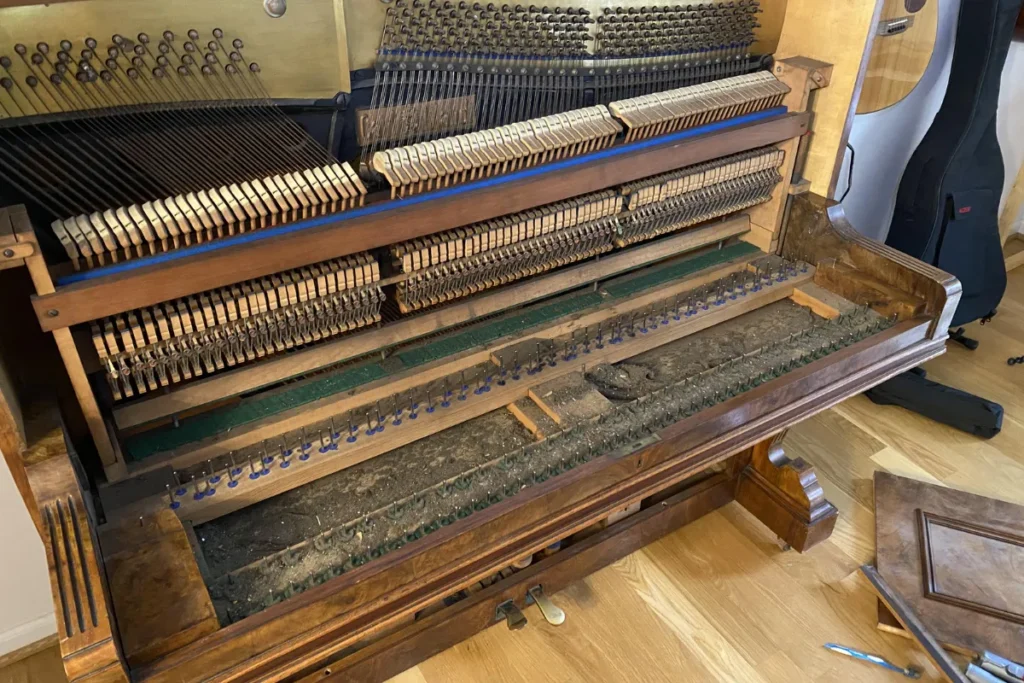
old-piano-ready-to-remove

Getting rid of a piano usually comes down to seven choices: sell or trade it, give it away, donate it, repurpose it, recycle usable materials, use an approved local bulk-disposal option, or hire a professional piano removal company. 

The right choice depends on four things: the piano’s condition, realistic value, route out of the property, and your deadline.

If the piano plays well and has been maintained, begin with a dealer, technician, buyer, or donation program. 

If it is broken, water-damaged, moldy, incomplete, or no organization will accept it, professional removal is often the most practical next step.

1. Sell, Consign, or Trade In the Piano

Selling is worth testing when the piano is playable, structurally sound, and made by a brand with an active used market. Contact local piano dealers before relying on online asking prices. A dealer can tell you whether the model is suitable for trade-in, consignment, direct purchase, or professional appraisal.

For a private listing, include the brand, model, serial number, approximate age, dimensions, condition, service history, location, stairs, pickup deadline, and several photos. State clearly whether the buyer must arrange a qualified mover.

Avoid promising that a piano is “in perfect condition” unless it has been properly assessed. Be honest about sticking keys, tuning problems, water exposure, cosmetic damage, and access. Accurate details reduce wasted messages and last-minute cancellations.

2. Give the Piano Away Locally

Giving a piano away can be the easiest no-sale option when it is playable but has limited resale value. Post it in local community groups, neighborhood apps, school or church networks, musician groups, and reputable online marketplaces.

Use “free piano—recipient arranges professional pickup” only if that is genuinely your arrangement. Decide in advance whether you will contribute toward moving costs. Set a reasonable response deadline so the giveaway does not delay a move, closing, renovation, or rental turnover.

A useful listing includes:

– Type, brand, model, and serial number

– Approximate age and last tuning date

– Honest description of how it plays

– Photos and a short playing video

– Piano dimensions

– Floor level, stair count, turns, and door width

– Pickup location and deadline

– Who is responsible for moving and insurance

Never allow an unprepared person to drag the piano across floors or attempt stairs without appropriate equipment and experience. A free piano is not worth an injury or serious damage to the property.

3. Donate the Piano

A clean, playable piano may be useful to a school, church, community center, nonprofit music program, theater, senior-living community, or family-support organization. Ask first; do not deliver a piano without written acceptance. A recipient needs space, a suitable environment, a moving plan, and funds for tuning and maintenance.

You can also submit the piano to specialist programs. The Beethoven Foundation donation form asks for the piano type, brand, and location. Pianos for Education says accepted donations are routed for pickup, but the schedule may take weeks depending on routing. These are possible pathways, not guarantees that every piano or location will qualify.

4. Repurpose the Piano or Its Cabinet

If the instrument is no longer playable but the cabinet has sentimental or decorative value, repurposing may preserve part of it. Old piano cases have been converted into bookshelves, desks, bars, display cabinets, garden features, and art pieces. Keys and wood panels may also be reused in smaller projects.


Repurposing is appropriate only when you want the finished object and have a safe plan. An acoustic piano contains heavy internal components and tensioned strings. Do not begin by cutting strings, smashing the case, or tipping the piano. Ask a piano technician, experienced craftsperson, or removal professional to make the instrument safe before major dismantling.


For more ideas about keeping materials in use, see B&F Junk Removal’s guide to avoiding waste through upcycling and recycling.

5. Recycle the Piano's Usable Materials

Pianos contain a mixture of wood, steel wire, a cast-metal plate, felt, hardware, and other materials.

That does not mean a recycling center will accept an intact piano or that the scrap value will cover the labor required to separate it.

Before moving or dismantling anything, contact local recycling and scrap facilities. Ask:

– Do you accept complete pianos or only separated materials?

– Must metal be free of wood, felt, wire, or other attachments?

– Are there minimum quantities or preparation rules?

– Is there a drop-off fee?

– Do you provide pickup?

– What identification or residency documents are required?

Scrapping a piano is rarely a simple money-making project. Transport, labor, tools, safety equipment, and facility rules can cost more than the recoverable material is worth. If recycling is your priority, ask a removal company what materials can realistically be separated under local conditions.

6. Check Municipal Bulk-Waste or Transfer-Station Rules

Some municipal programs or transfer stations accept unusually large household items; others exclude pianos, require appointments, impose size or weight limits, or direct residents to private haulers. Rules can also differ between curbside collection and self-haul facilities.

Contact the city or county waste department and ask specifically about an acoustic piano. Confirm:

– Whether the piano is accepted

– Whether collection must be scheduled

– Where it must be placed

– Whether it must be dismantled

– Size, weight, residency, and quantity limits

– Fees and payment methods

– Whether a private hauler is required

Do not leave a piano at the curb, in an alley, beside a dumpster, or at a donation center without permission. You could create a safety hazard, violate local rules, or become responsible for extra collection charges.

7. Hire a Professional Piano Removal Company

Professional piano removal is usually the most direct option when the piano is broken, rejected by donation programs, located on stairs, blocking a move or property sale, or subject to a firm deadline.

A suitable company should ask about the piano type, floor level, stair count, doorways, turns, surface conditions, parking, and final disposal plan before the job.

Pricing commonly depends on:

– Upright, console, spinet, baby grand, or grand design

– Piano dimensions and estimated weight

– Ground-floor, upstairs, basement, apartment, or commercial location

– Number and shape of stairs

– Narrow doors, landings, elevators, or tight turns

– Carry distance and truck access

– Labor, equipment, and disassembly needs

– Local donation, recycling, and disposal options

– Additional items included in the pickup

Ask whether labor, loading, transportation, disposal fees, and cleanup are included in the quote. Share clear photos before booking so the company can identify problems early.

Should You Move or Dismantle a Piano Yourself?

For most acoustic pianos, DIY removal is a poor choice unless the people involved have piano-moving experience, appropriate equipment, a suitable vehicle, and a fully planned route.

Manufacturer specifications show that even common home pianos can weigh several hundred pounds. Casters are not designed for rolling a piano across every floor, threshold, or outdoor surface.

Do not dismantle an acoustic piano merely to make it lighter. Tensioned strings, the heavy plate, unstable components, sharp wire, and shifting weight create hazards. Professional dismantling may be appropriate for disposal, but it should be planned rather than improvised.

A portable digital keyboard is different. If it can be disconnected, separated from its stand, and lifted within the equipment manufacturer’s instructions, an owner may be able to transport it like other electronics. A digital console piano can still be bulky and may require help.

How to Prepare for Piano Removal

Once a recipient, mover, or removal company has confirmed the job:

  1. Remove sheet music, decorations, bench contents, and personal items.
  2. Photograph the piano and nearby walls, floors, doors, and railings.
  3. Clear a safe path, but do not move the piano into the hallway or driveway unless instructed.
  4. Secure pets and keep children away from the work area.
  5. Reserve an elevator or loading area if the building requires it.
  6. Tell the crew about stairs, weak steps, narrow turns, uneven ground, low ceilings, and parking restrictions.
  7. Confirm who is responsible for disconnecting any electronic player system.
  8. Review the quote and intended destination before work begins.

Do not remove legs, lids, pedals, strings, or internal parts unless the professional handling the job specifically directs the preparation.

Frequently Asked Questions

How can I get rid of my piano for free?

Offer a playable piano free to a qualified local recipient who agrees to arrange and pay for safe pickup. You can also apply to donation programs that provide pickup for accepted instruments. Free removal is not guaranteed because acceptance, service areas, condition standards, and scheduling vary.

Send a piano removal company photos of the instrument, stairs, doorways, turns, and parking access, then request the earliest available quote. Selling or donating may take longer because you need a confirmed recipient and moving plan.

It depends on the regional Goodwill organization. Goodwill advises donors to check local acceptance rules. Some regional organizations reject pianos, while others use paid or third-party pickup partners that can route large items. Confirm acceptance, fees, and final destination before scheduling.

Possibly, but there is no nationwide guarantee. The Salvation Army says accepted items depend on local ordinances and need. Call the local center, provide complete piano and access details, and ask whether pickup is available and whether acceptance remains subject to inspection.

The piano may have little resale demand while moving, tuning, repair, and maintenance costs remain substantial. Giving it away transfers those costs to the recipient, which can make even a free piano difficult to place.

Some parts contain recyclable metal, but an intact piano combines wood, wire, felt, hardware, and a heavy plate. Separation and transport can cost more than the material return. Ask a local facility what it accepts before dismantling or moving the piano.

Many do, but not every company accepts every piano or access situation. Confirm the type of piano, stairs, route, labor, disassembly needs, disposal plan, and what the quoted price includes.

Only if your local waste authority has expressly approved it and you follow its scheduling and placement rules. Unapproved set-out can create a hazard and may lead to non-collection or fees.

Often, yes, if the removal company accepts the items and includes them in the quote. Make a complete item list in advance. B&F’s guide to getting rid of old furniture can help you sort donation, sale, recycling, and pickup options for the rest of the property.

Categories How to Get Rid Of

How to Get Rid of a Hot Tub: 7 Safe and Practical Options

How to Get Rid of a Hot Tub: 7 Safe and Practical Options

Hot Tub Removal Services in Norfolk, VA

The best way to get rid of a hot tub is to match the disposal method to the spa’s condition. A working, portable unit may be sold, donated, traded in, or relocated. 

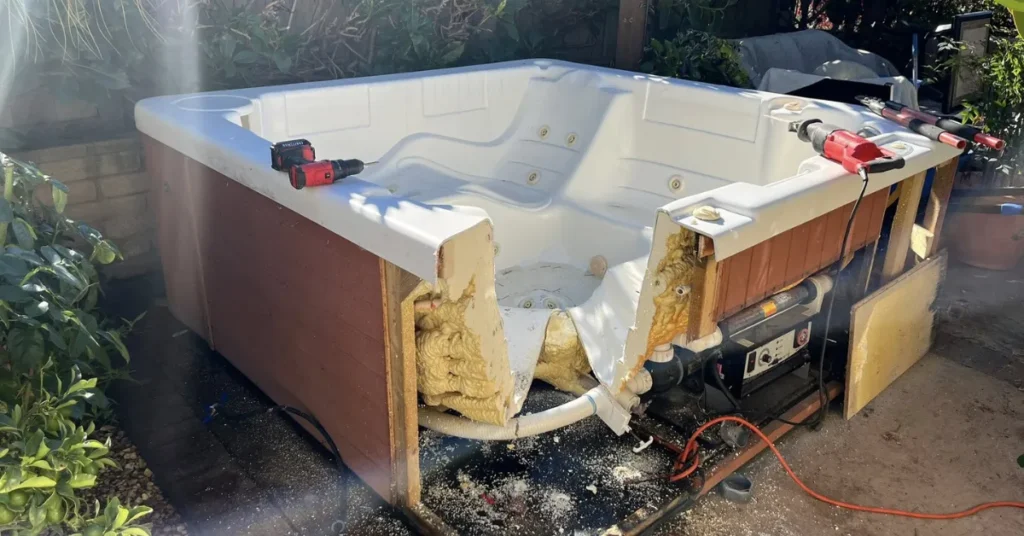
A damaged or built-in hot tub usually needs to be drained correctly, disconnected from utilities, dismantled, loaded, and taken to approved disposal or recycling facilities. If the unit is hardwired, surrounded by decking, set into the ground, or difficult to reach, professional hot tub removal is usually the safer and simpler option.

Do not place an intact hot tub at the curb or take it to a dump without checking acceptance rules first. Municipal collection limits, transfer-station policies, chemical-disposal requirements, and preparation rules vary by city.

1. Sell It or Give It Away

If the hot tub works, test it before listing it. Clean it, photograph the shell and equipment area, record the make and model, and disclose leaks, damaged controls, missing covers, or other problems. Include the approximate dimensions and explain whether the buyer must disconnect and remove it.

Selling is most realistic when the spa is accessible and can be transported intact. A free listing may attract more interest than a high asking price because the buyer still has to pay for lifting, transport, foundation preparation, electrical work, and installation.

Never allow an unqualified buyer to disconnect hardwired equipment or damage your deck, fence, or landscaping during pickup. Agree in writing on who is responsible for disconnection, property damage, lifting equipment, and cleanup.

2. Ask About Donation or a Retailer Trade-In

A donation only works when an organization has confirmed that it accepts used hot tubs and has a safe way to collect one. Do not leave a spa at a donation center without permission.

If you are buying a replacement, ask the dealer whether it offers removal, a trade-in credit, or coordinated pickup. Compare the full cost—not just the credit—with a separate removal quote.

Find out whether the dealer removes the old unit before or after the new one arrives and whether deck or electrical work is excluded.

3. Hire a Hot Tub Mover to Relocate It

Relocation makes sense when the spa is structurally sound and you want to move it elsewhere on the property, take it to a new home, or transfer it to another owner intact. 

A hot tub mover focuses on preserving the unit; a disposal crew may instead cut an unwanted spa into sections.

Before scheduling a move, confirm:

  • access at both locations;
  • who disconnects and reconnects power and plumbing;
  • whether a crane or special lifting equipment is required;
  • whether the destination has a level, load-appropriate base; and
  • whether the cover, steps, and accessories are included.

Relocation and disposal are different services, so use a company equipped for the outcome you want.

4. Use a Professional Hot Tub Removal Service

A professional junk removal or demolition company is often the most practical choice for a broken, outdated, built-in, or inaccessible hot tub.

Depending on the agreed scope, the crew may dismantle the cabinet and shell, separate eligible materials, carry the pieces out, load them, haul them to approved facilities, and clean loose debris from the work area.

Ask whether the quote includes:

– labor and dismantling;

– hauling and disposal fees;

– hot tub cover, steps, and accessories;

– deck, gazebo, concrete, or enclosure removal;

– electrical, plumbing, or gas disconnection;

– removal of stored spa chemicals;

– recycling of accepted components; and

– final sweeping or debris cleanup.

An estimate that says only “hot tub removal” can mean different things to different companies. A clear scope protects both the homeowner and the crew.

5. Check Municipal Bulky-Waste Pickup

Some cities accept hot tubs through scheduled bulky or special collection, but the rules are highly local.

The program may require the unit to be drained, disconnected, dismantled, or placed at an approved collection point. 

Size or volume limits may apply, and city crews generally do not enter a backyard to perform demolition.

Call or check the city’s current waste guide before doing any cutting. Ask these exact questions:

  1. Do you accept an intact hot tub or only prepared pieces?
  2. Is an appointment required?
  3. What are the size, weight, or volume limits?
  4. Where must the material be placed?
  5. Are pumps, electronics, metal, covers, and chemicals handled separately?
  6. Are there fees, residency requirements, or annual collection limits?

If the city accepts only a prepared curbside pile, you still need a safe plan to disconnect, dismantle, and move the spa from its current location.

6. Dismantle and Dispose of It Yourself

DIY hot tub removal can reduce labor expense, but it does not eliminate disposal fees, vehicle needs, heavy lifting, or safety risks. 

It is best limited to people who understand the installation, have capable helpers, own suitable tools and protective equipment, and have confirmed where every material will go.

At a high level, the work involves:

  1. Confirming permits, utility responsibilities, and disposal destinations.
  2. Draining the spa according to local water-discharge rules.
  3. Having power and any plumbing or gas connections safely disconnected.
  4. Removing the cover, cabinet panels, pump, heater, wiring, plumbing, and other components.
  5. Reducing the empty shell into movable sections only when intact removal is impossible.
  6. Separating accepted metal, electronics, wood, and other materials.
  7. Loading, securing, transporting, and legally disposing of the remaining debris.
  8. Removing sharp fragments, screws, foam, and dust from the site.

Cutting fiberglass or acrylic can create sharp edges and airborne dust. Use task-appropriate eye, hand, hearing, respiratory, and skin protection, control dust, and keep children and pets away. 

Do not begin demolition until the electrical supply has been safely disconnected and verified. If the hot tub is hardwired, connected to gas, structurally integrated into a deck, or set in concrete, bring in the appropriate licensed professional.

7. Separate Materials for Recycling and Approved Disposal

A hot tub may be partly recyclable, but it is rarely accepted as one intact recyclable item. Scrap-metal facilities may accept frames, motors, heaters, and other metal after preparation. 


Some electronics programs may accept controls or circuit components. Clean wood may have a separate route. Acceptance of acrylic, fiberglass, PVC, foam, treated wood, and composite panels varies widely.


Before transporting anything, ask each facility:


– which materials it accepts;

– whether components must be clean or separated;

– whether motors, wiring, or electronics require a different drop-off;

– whether there is a minimum or maximum load;

– whether proof of residency is required; and

– what fees apply.


“Eco-friendly hot tub disposal” should mean recovering the materials local facilities can actually process and disposing of the remainder through approved channels. It should not mean assuming every component is recyclable.


For more practical waste-reduction ideas, see B&F’s guide to avoiding waste through upcycling and recycling.

How to Prepare a Hot Tub for Removal

Preparation depends on the company and local rules. Ask your removal provider what it wants you to do before the appointment; some crews include more preparation than others.

1. Decide Whether the Spa Must Stay Intact

Do not dismantle a hot tub that you plan to sell, donate, trade in, or relocate. Confirm the removal path and transport method first.

2. Check Permits and Utility Requirements

Contact the local permit office when the spa is built in, recessed into a deck, connected to gas or permanent plumbing, or when removal will alter a permitted structure. 

A licensed electrician should handle hardwired electrical disconnection when required. Use a plumber or gas professional for connections that fall within their trade.

3. Drain the Water Legally

Do not automatically pump treated water into the street, gutter, storm drain, ditch, or a neighbor’s yard. Hampton Roads guidance says local ordinances vary and recommends allowing chlorine to dissipate, verifying chlorine or bromine below 0.1 milligrams per liter, keeping pH between 6.5 and 8.5, and routing suitable water to a grassy area rather than a nearby storm drain.

Saltwater and water containing other chemicals may require a different route. 

Check the City of Chesapeake’s Hampton Roads pool and spa discharge guidance and confirm the current rule with your own city before draining.

Do not pour unused hot tub chemicals into the spa before draining or place chemical containers inside the empty unit for hauling. Household hazardous-waste programs commonly handle these products separately.

4. Make the Electrical Condition Clear

Tell the removal company whether the unit is plug-in or hardwired and whether a qualified person has disconnected it. Turning off a control panel is not the same as safely disconnecting a permanent electrical supply.

5. Clear the Access Route

Move furniture, planters, grills, hoses, toys, and loose items. Unlock gates, manage pets, identify septic components or irrigation lines, and point out fragile landscaping. Do not remove a fence or deck section until the removal method is confirmed.

6. Separate Chemicals and Personal Items

Remove chemical bottles, filters, towels, toys, glass, and anything stored in or around the cabinet. Ask where each chemical should go; do not mix products.

7. Confirm the Finish Scope

After removal, the site may still have a concrete pad, electrical stub, plumbing, deck opening, disturbed soil, or landscaping work. Decide who will make the area safe and ready for its next use.

How to Choose a Best Hot Tub Removal Company

Before hiring a company, ask:


  • Does the company dismantle hot tubs or only pick up units that are already disconnected and curb-ready?
  • Is it insured for work on your property?
  • Does the quote include labor, hauling, disposal charges, and cleanup?
  • Who handles electrical, plumbing, or gas disconnection?
  • Are the cover, steps, pump, heater, deck materials, and other debris included?
  • How will eligible materials be recycled or otherwise handled?
  • Could any access condition change the price?
  • Is slab, deck, fence, or landscape restoration excluded?
  • What must be completed before the crew arrives?

Frequently Asked Questions

What is the cheapest way to get rid of a hot tub?

If the hot tub works and is easy to move, selling it or giving it away to a qualified recipient may have the lowest direct cost. Municipal bulky pickup can also be economical when the city accepts the prepared unit. Compare the full expense, including safe disconnection, dismantling, tools, helpers, transport, disposal fees, and cleanup.

Possibly, but call first. Some landfills or transfer stations accept an intact hot tub; others require it to be dismantled or separated by material. Ask about residency, vehicle, weight, material, and fee restrictions. Never arrive with hot tub water or unsecured chemicals inside the load.

Many unwanted hot tubs can be dismantled and the shell cut into manageable sections after the water is drained and all utilities are safely disconnected. 

The work can produce sharp edges and fiberglass or plastic dust, so it requires appropriate tools, protection, containment, helpers, and a confirmed disposal route. 

Built-in, hardwired, gas-connected, or structurally integrated spas are better handled by qualified professionals.

Parts of it often can. Metal frames, motors, wiring, heaters, and some electronics may have recycling routes. Acceptance of acrylic, fiberglass, PVC, foam, treated wood, and composite panels varies. 

Contact facilities before dismantling and do not claim an entire spa is recyclable unless a facility has agreed to accept it.

Yes, many junk removal companies provide hot tub demolition and hauling. Confirm whether the company removes the spa from its installed location or only takes a drained, disconnected, curb-ready unit. Ask what the quote includes and whether utilities, decking, concrete, chemicals, and cleanup are separate.

A simple freestanding spa with open access may be removed in a few hours, while a built-in unit, tight access, deck demolition, or utility work can extend the project. 

Scheduling and disposal logistics also matter. A company can estimate the time more accurately after reviewing photos and the site.

Do not use it on plants without checking its chemistry and local rules. Chlorine, bromine, salt, algaecides, cleaning products, and pH can harm vegetation or waterways. 

Hampton Roads guidance recommends specific dechlorination and pH conditions for suitable discharges and warns that saltwater may brown lawns. Verify with your city before draining.

Remove it when it is broken, unsafe, visibly deteriorated, or likely to become an objection during inspection or negotiation. A working, maintained spa may be an asset to some buyers and a maintenance concern to others. 

Ask your real estate agent whether repair, removal, or documented transfer is most appropriate for the local market and your sale timeline.

Get a Free Quote