Categories Uncategorized

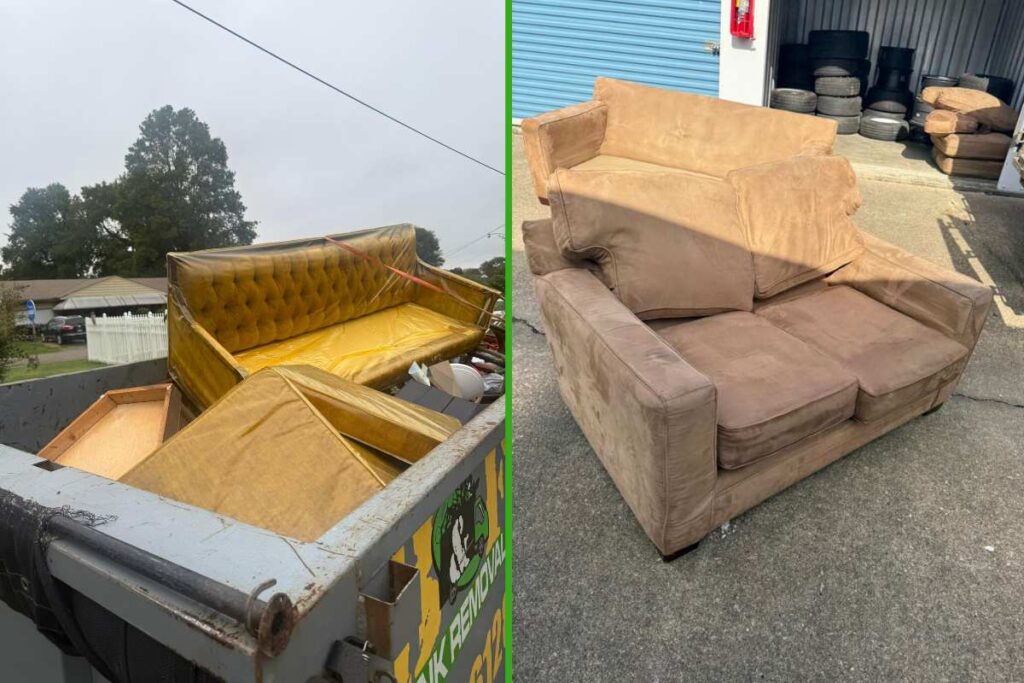
How to Get Rid of Furniture

How to Get Rid of Furniture: 7 Ways to Dispose of Unwanted Furniture

If you’re trying to figure out how to get rid of furniture, you have several options. You can sell it, donate it, give it away, recycle certain materials, use a local bulk-waste service, rent a dumpster, or hire a junk removal company.

The best choice depends on the condition of the furniture, its size, how quickly you need it gone, and whether you can move it yourself.

This guide explains the main furniture disposal options, what works for different types of furniture, and when professional furniture removal may make more sense.
Furniture Removal

1. Sell Furniture That Is Still in Good Condition

Furniture that is clean, usable, and in reasonable condition may still have resale value.

You can try selling items such as:

  • Couches and sofas
  • Dining tables
  • Chairs
  • Dressers
  • Desks
  • Bed frames
  • Bookshelves
  • Cabinets

Online marketplaces, community groups, yard sales, and local resale shops can help you find buyers.

Selling furniture may take time, so this option works best when you are not in a hurry to clear the space.

2. Donate Usable Furniture

Donation can be a good option when the furniture is still usable but you no longer want it.

Some charities, nonprofit organizations, thrift stores, shelters, and community groups accept furniture.

Before taking an item somewhere, check what the organization currently accepts. Some locations may refuse:

  • Heavily stained furniture
  • Broken furniture
  • Mattresses
  • Upholstered items with damage
  • Furniture with pests or mold
  • Very large or difficult-to-move pieces

Some organizations may offer pickup, while others require you to deliver the furniture yourself.

Where to Donate Furniture?

  • Goodwill: Some locations accept furniture donations.

  • The Salvation Army: May accept furniture and offer pickup in eligible areas.

  • Habitat for Humanity ReStore: Often accepts usable furniture, cabinets, and home furnishings.

  • Furniture banks: Provide furniture to families and individuals in need.

  • Homeless shelters and local charities: May accept beds, tables, chairs, and other essential household items.

  • Churches and community organizations: May connect you with families who need furniture.

  • Online giveaway groups: Facebook Marketplace, Buy Nothing groups, and other local community platforms can help you find someone who needs your furniture.

3. Give the Furniture Away

If selling feels like too much work, giving furniture away can sometimes get it out of your home faster.

You can offer it through:

  • Neighborhood groups
  • Community boards
  • Social media groups
  • Local giveaway platforms
  • Friends or family

Be clear about the item’s condition, measurements, and whether the person taking it needs to move it themselves.

4. Check Local Bulk Furniture Disposal Options

Some cities and waste providers offer bulk item pickup for large household items.

Depending on your local rules, bulk pickup may accept items such as:

  • Sofas
  • Chairs
  • Tables
  • Dressers
  • Mattresses
  • Bed frames

There may be limits on the number of items, pickup dates, placement rules, or fees.

Check with your local waste department before leaving furniture at the curb. Putting large furniture outside without following local collection rules may result in the item being left behind.

5. Recycle Furniture When Possible

Not every piece of furniture has to go directly into the trash.

Some furniture contains recyclable materials such as:

  • Metal
  • Wood
  • Certain plastics
  • Cardboard
  • Springs and other metal components

Furniture recycling can be more complicated than normal household recycling because pieces often contain several different materials.

You may need to take the furniture apart before individual materials can be recycled.

Check with local recycling centers to find out which furniture materials they accept.

6. Rent a Dumpster for a Larger Cleanout

A dumpster can make sense when furniture is only one part of a much larger cleanup.

For example, you might use one during:

  • Estate cleanouts
  • Moving
  • Home renovations
  • Rental property cleanouts
  • Garage cleanouts
  • Whole-home decluttering

Before putting furniture into a dumpster, check the rental company’s rules. Certain materials and items may have restrictions or additional disposal requirements.

For just one couch or a few pieces of furniture, a dumpster may be more space than you need.

7. Hire a Junk Removal Company

Professional furniture removal can be one of the simplest options when the furniture is heavy, bulky, difficult to move, or you need it removed quickly.

A junk removal crew can typically handle the lifting, carrying, loading, and transportation.

This can be useful for items such as:

  • Couches
  • Sectionals
  • Recliners
  • Dressers
  • Tables
  • Desks
  • Cabinets
  • Bookshelves
  • Bed frames
  • Other bulky household furniture

The exact items a company accepts can vary, so confirm before booking.

What Is the Best Way to Get Rid of Furniture?

The best method depends mainly on the furniture’s condition and your situation.

Furniture Situation Disposal Option to Consider
Good condition and valuable Sell it
Good condition but no longer needed Donate it
Usable and needs to go quickly Give it away
Accepted by municipal collection Bulk pickup
Made from recyclable materials Recycling
Part of a large property cleanout Dumpster rental
Heavy, bulky, or difficult to move Junk removal

There is no single method that works for every item.

Start by asking whether the furniture can still be reused. If not, check recycling or local disposal options before deciding how to remove it.

Can Furniture Go in a Dumpster?

Many types of ordinary household furniture can go into certain dumpsters, but rules vary by rental company and disposal facility.

Always check the list of accepted and prohibited materials before loading a dumpster.

A dumpster tends to make more sense when you are removing furniture along with a larger amount of household junk or renovation debris.

How Much Does Furniture Removal Cost?

Furniture removal costs depend on factors such as:

  • Number of items
  • Size and weight
  • Amount of space the items take up
  • Accessibility
  • Stairs
  • Required labor
  • Location
  • Disposal or recycling requirements

Because these factors vary from job to job, getting a quote based on the actual furniture you need removed is more useful than relying on one general price.

Need Help Removing Unwanted Furniture?

If selling, donating, or transporting furniture yourself is not practical, a local junk removal company can handle the heavy lifting and haul the items away.

Ask what furniture they accept, how pricing works, and what happens to the items after collection before scheduling your pickup.

How To Dispose Of a Mattress in Hampton Roads, VA
Categories Uncategorized

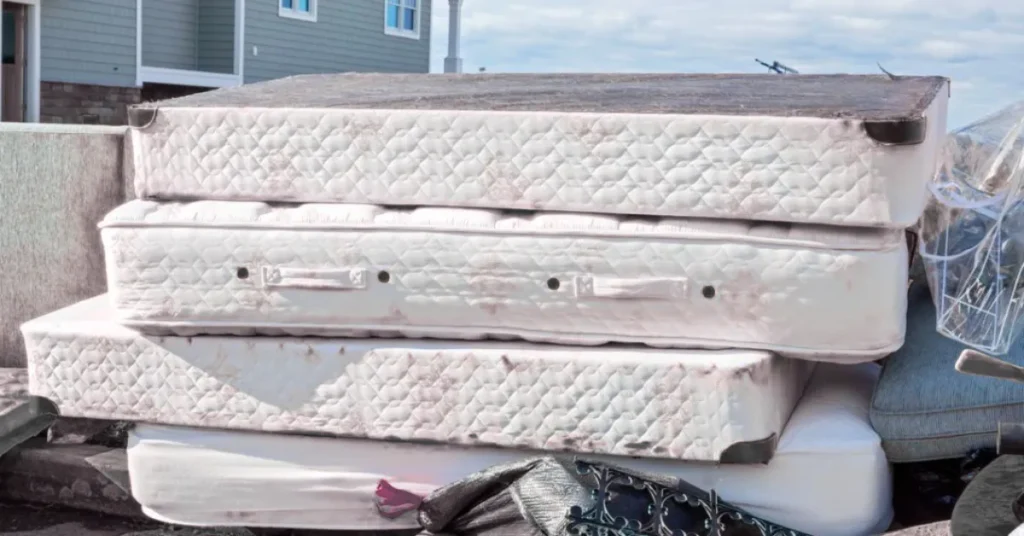
How To Dispose Of a Mattress

10 Best Ways to Dispose of a Mattress

Getting rid of an old mattress is easier than you might think. Depending on its condition and your local regulations, you can recycle it, donate it, schedule curbside pickup, or hire a junk removal company. Choosing the right disposal method helps reduce landfill waste and ensures your mattress is handled responsibly.

In this guide, you’ll discover 10 easy ways to dispose of a mattress, so you can choose the fastest, most affordable, and most eco-friendly option for your needs.

How To Dispose Of a Mattress in Hampton Roads, VA

1. Hire a Junk Removal Company

Hiring a junk removal company is the fastest and most convenient way to dispose of a mattress. Most companies offer same-day or next-day pickup, handle all the heavy lifting, and dispose of the mattress responsibly.

It’s an ideal option for heavy, bulky, or hard-to-move mattresses. Professional mattress removal typically costs $75–$150 for a standard mattress, depending on your location and service provider.

2. Recycle Your Mattress

Recycling is one of the most eco-friendly ways to dispose of a mattress. Recycling facilities separate the steel springs, foam, wood, and fabric so they can be reused in new products. Search for a local mattress recycling center or state-approved recycling program to keep your mattress out of the landfill.

3. Donate a Mattress in Good Condition

If your mattress is clean, gently used, and free of stains, tears, mold, and bed bugs, consider donating it. Many local charities, shelters, and nonprofit organizations accept mattresses that meet their quality standards. Always contact the organization first to confirm their donation guidelines.

4. Use Your City's Bulk Trash Pickup

Many cities offer bulk waste collection for large household items, including mattresses. Some municipalities require you to schedule a pickup in advance, while others collect bulky items on designated days. Check your local sanitation department’s rules before placing a mattress at the curb.

5. Take It to a Landfill or Transfer Station

If recycling or donation isn’t an option, you can transport your mattress to a local landfill or transfer station. Most facilities charge a disposal fee, so call ahead to verify pricing and accepted items. Use a truck or trailer and secure the mattress properly during transport.

6. Sell or Give It Away

A mattress in good condition may still have value. List it on platforms like Facebook Marketplace, Craigslist, or local Buy Nothing Groups. Include clear photos, an honest description, and details about its age and condition to attract interested buyers or recipients.

7. Return It Through Mattress Retailer Programs

Many mattress retailers offer old mattress haul-away services when delivering a new mattress. Some also partner with recycling programs to ensure proper disposal. Ask about removal options before completing your purchase.

8. Repurpose Mattress Materials

Instead of throwing your mattress away, consider repurposing its materials. Wood can be reused for DIY projects, foam works well for cushions or pet beds, fabric can be recycled into cleaning rags, and metal springs can be recycled as scrap metal.

9. Use a Specialized Mattress Recycling Program

Some states and communities offer dedicated mattress recycling programs, such as Bye Bye Mattress. These programs are designed to recover reusable materials while reducing landfill waste. Search online to see if a specialized recycling program is available in your area.

10. Dispose of Bed Bug–Infested Mattresses Properly

Never donate a mattress infested with bed bugs. Seal it in a heavy-duty plastic mattress bag, clearly label it if required by local regulations, and follow your municipality’s disposal guidelines. Professional junk removal or municipal bulk pickup is often the safest disposal option for contaminated mattresses.

What Is the Best Way to Dispose of a Mattress?

The best way to dispose of a mattress depends on what matters most to you—speed, cost, environmental impact, or convenience. 

While recycling is the most eco-friendly option, hiring a junk removal company is often the quickest and easiest. If your mattress is still in good condition, donating it can help someone in need while keeping it out of a landfill. 

Disposal Method Best For Typical Cost
Junk Removal Company Fastest & most convenient $75–$150
Mattress Recycling Eco-friendly disposal $15–$50
Donation Giving usable mattresses a second life Free
Bulk Trash Pickup Low-cost municipal disposal Free–$50
Landfill / Transfer Station Last resort $20–$60
Sell or Give Away Recover value or free disposal Free or profit
Retailer Haul-Away Replacing your mattress Often included or $25–$100
Repurpose Materials DIY projects Free
Mattress Recycling Programs Responsible recycling Varies by location
Bed Bug Disposal Safe disposal of infested mattresses Varies

How Much Does Mattress Disposal Cost?

Mattress disposal typically costs between $0 and $200, depending on the disposal method, your location, mattress size, and whether you need pickup services. Free options like donation or municipal bulk pickup may be available, while professional junk removal offers the fastest and most convenient solution.

What Affects Mattress Disposal Costs?

Several factors can influence the final price, including:

  • Mattress size (Twin, Queen, King, etc.)
  • Number of mattresses being removed
  • Pickup location and accessibility (stairs, upper floors, long carry distance)
  • Local disposal or recycling fees
  • Same-day or emergency pickup requests

Condition of the mattress, especially if it is wet or bed bug–infested.

Related Articles

Categories Uncategorized

How to Get Rid of Cardboard: 6 Practical Options

How to Get Rid of Cardboard: 6 Practical Options

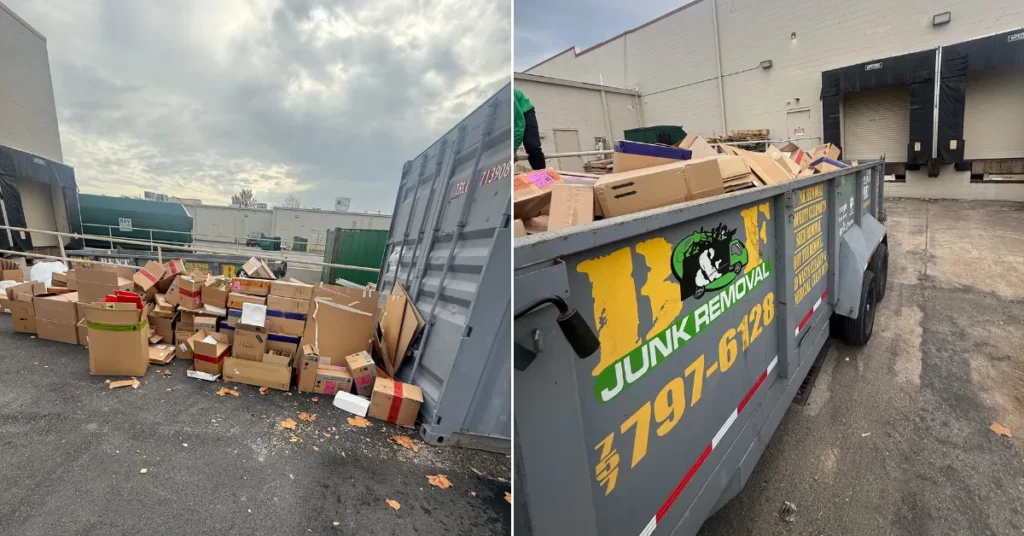
The best way to get rid of cardboard is to reuse sturdy boxes and recycle clean, flattened cardboard through an approved collection or drop-off program. If you have a large pile, limited transportation, or other junk to remove, professional pickup is another option. Suitable plain cardboard can also be composted.

Before choosing a method, look at the condition of the boxes, how much you have, and whether you can transport them. A few delivery cartons need a different plan than a garage full of moving boxes and appliance packaging.

Junk Removal in Chesapeake, VA

Choose the Right Cardboard Disposal Option

Option Best for What to check
Reuse at home Sturdy boxes you have a specific use for Condition and available storage space
Give away or sell Clean moving boxes someone else can use Whether the recipient will collect them
Curbside recycling Ordinary household quantities that fit your container Accepted materials and set-out rules
Recycling drop-off Extra cardboard you can transport Residency, load limits, and facility access
Home composting Small amounts of suitable plain cardboard Remove tape, glue, and other unsuitable materials
Professional pickup Large piles, bulky packaging, or mixed cleanouts Quote, access, accepted items, and recycling arrangements

6 Ways to Get Rid of Cardboard Boxes

1. Reuse the Boxes You Still Need

Keep sturdy boxes for a planned move, shipping items, or organizing a dry storage area. If you recently bought an appliance or electronics, check the seller’s return requirements before discarding the original packaging.

Be selective. Set aside only the sizes you expect to use and flatten empty boxes for storage. Keeping every delivery box can turn a small reuse collection into another cleanup project.

Remove or cover old shipping labels before sending a box to someone else. Don’t pass along boxes that are dirty, musty, or damaged beyond useful repair.

2. Give Away or Sell Usable Moving Boxes

Offer clean boxes to friends, neighbors, or people preparing to move. For a larger group of matching moving boxes, you can also try a local sale listing. Giving them away may be the simpler choice if your priority is clearing space.

Include the approximate quantity, sizes, condition, and collection window in your listing. A photo helps people decide whether the boxes will work for them.

U-Haul’s box-sharing programs provide another reuse route. Check with the location before taking boxes there. Ask schools, charities, or community groups before dropping off packaging; don’t assume they need it.

3. Use Your Curbside Recycling Service

Curbside recycling is a practical choice when your program accepts cardboard and the flattened boxes fit inside the container. Empty the packaging first, then follow your provider’s instructions for sizing and placement. The EPA’s guide to common recyclables recommends flattening cardboard boxes before putting them in the bin.

Check the rules for your address instead of copying a neighbor’s setup. Apartment buildings may use a different collection provider from nearby single-family homes.

If the boxes will not fit, don’t assume a stack beside the cart will be collected. Use an approved overflow option or arrange a separate trip or pickup.

4. Take Extra Cardboard to a Recycling Drop-Off

A recycling drop-off can help when you have more cardboard than your container holds but can transport it yourself.

Before loading your vehicle, confirm:

  • The facility accepts cardboard from your address.
  • Your load qualifies as household or commercial material.
  • Any quantity, vehicle, or trailer restrictions.
  • Current opening hours and temporary closures.
  • Whether a fee applies.

Keep cardboard separate from foam, plastic wrapping, and other waste. Bring it to the designated container rather than leaving it beside a full one. A business generating regular packaging waste should ask about an ongoing commercial recycling arrangement rather than assume a residential drop-off accepts its loads.

5. Compost Suitable Plain Cardboard

Plain cardboard can supply carbon-rich material, often called “browns,” to a home compost pile. The EPA lists shredded cardboard without wax coating, tape, or glue as suitable compost material. Mix it with appropriate food scraps and other compost ingredients, and maintain moisture and airflow. See the EPA’s home composting guidance.

Remove plastic labels and other attachments before tearing the cardboard into small pieces. Keep wax-coated, plastic-lined, and chemically contaminated packaging out of your home compost.

Use this method for quantities your compost system can handle. A large stack of intact boxes is not a quick substitute for a managed compost pile.

6. Arrange Professional Cardboard Removal

Professional pickup is worth considering when the load is too large to transport comfortably, access is difficult, or you need other unwanted items removed at the same time.

For example, a garage may contain empty boxes alongside old shelving and broken furniture. A garage or storage-unit cleanout can address the whole space rather than just the packaging.

For a workplace, B&F Junk Removal’s commercial junk removal service includes cardboard and packaging materials. Ask what preparation is needed, which other items can be included, and how recyclable cardboard will be handled.

Request a quote for the actual load. An estimate should account for what needs removing and the pickup conditions, not just an informal box count.

How to Prepare Cardboard for Recycling or Pickup

Preparing the pile makes it easier to store, load, and assess. Use these steps:

  1. Check inside every box. Remove products, paperwork, and anything you want to keep.
  2. Separate the packaging. Set aside foam inserts, plastic bags, bubble wrap, and packing straps for their own reuse or disposal route.
  3. Open the taped seams and flatten the boxes. If a cutter is needed, use a stable surface and cut away from your hands and body.
  4. Keep the cardboard dry. Store it under cover until collection or transport.
  5. Follow the destination’s instructions. Cut large panels to the accepted size; bundle them only if your collector requests it.

The EPA recommends flattening cardboard before recycling. Follow your collector’s preparation rules alongside the EPA’s general recycling guidance.

For paid pickup, ask the crew whether flattening is required before doing extra preparation. If packing materials or other junk are part of the load, describe them when requesting the quote.

How to Get Rid of Large Amounts of Cardboard

For a large pile, separate reusable boxes from recycling and other waste, then choose an approved drop-off or pickup route for the remaining load. Do not force everything into an overflowing cart.

If a move leaves you with usable moving boxes, torn cartons, and foam-filled appliance packaging, handle each group differently: offer the usable boxes for reuse, flatten the empty cartons, and separate the foam. You may clear part of the pile without paying for removal.

Before booking pickup, take a wide photo showing the whole pile and note any stairs, narrow access, or parking restrictions. Tell the company whether the boxes are empty and whether you want other items removed.

For recurring business waste, compare a regular cardboard collection arrangement with one-time hauling. The right choice depends on how often the packaging builds up and how much storage space is available.

Where to Recycle Cardboard in Hampton Roads

Use your own city’s instructions before setting out or transporting cardboard. Nearby cities can have different collection arrangements.

  • Portsmouth: Start with Portsmouth Waste Management and confirm the correct route for extra cardboard. Do not assume instructions for refuse or bulk trash describe recycling collection.
  • Norfolk: The city lists recycling drop-offs for Norfolk residents at 1176 Pineridge Road and 1188-A Lance Road. Check Norfolk’s recycling information before visiting.
  • Virginia Beach: The city lists the recycling drop-off at 1989 Jake Sears Road and West Neck Recycling Center at 2500 West Neck Road. Its rules for blue-cart service require the lid to close and generally require recycling to remain inside the cart; a specific exception applies to certain 18-gallon townhome bins. See Virginia Beach recycling information.

For Chesapeake, Suffolk, Hampton, Newport News, and other nearby communities, use the askHRgreen Waste Wizard to find local guidance. Verify facility access and any residency or commercial-load restrictions before making a trip.

Cardboard Disposal Mistakes to Avoid

Burning boxes to make the pile disappear. The EPA lists cardboard among household materials that should not be burned because they can release harmful chemicals. Choose an appropriate reuse, recycling, or disposal route instead. See EPA wood-burning safety guidance.

Hiding other waste inside boxes. Packing foam, plastic film, and miscellaneous trash do not become cardboard recyclables just because they are inside a carton. Keep them separate.

Leaving cardboard beside a full container. Check the approved overflow process rather than assuming loose boxes will be collected. Don’t use a private business dumpster without permission.

Mixing suspect material into clean recycling. Set aside coated packaging until you confirm acceptance. If a box has chemical contamination, describe the substance to your waste department or hauler before arranging disposal.

Need Cardboard Removal in Hampton Roads?

If boxes are taking over your garage, storage room, or business, B&F Junk Removal can help you plan the cleanup. We serve Portsmouth and surrounding Hampton Roads communities, including Norfolk, Chesapeake, Virginia Beach, Suffolk, Hampton, and Newport News.

Tell us how much cardboard you have, where it is located, and whether other unwanted items need to go. We’ll confirm the pickup details and provide a quote before work begins.

Get a Free Quote or call (757) 797-6128.

Frequently Asked Questions

How can I get rid of cardboard boxes for free?

Try giving usable boxes to someone who will collect them. Your household recycling service or a resident drop-off may also accept cardboard without an additional per-load charge, but eligibility and fees vary. Free box sharing is different from hiring a company to load and haul the pile.

Usually, small amounts of tape and ordinary labels can remain, according to the American Forest & Paper Association. Follow your collector’s rules and remove separate packaging materials. For home composting, remove tape, plastic labels, and glue-bearing sections instead of leaving them in the pile.

Cardboard that became wet can still be recyclable once it dries, according to the American Forest & Paper Association. Keep otherwise clean, rain-damp boxes under cover to dry. Mold, food residue, or chemical contamination is a separate issue that should be checked with the receiving program.

Check your local rules. Reuse or recycle accepted cardboard where practical. Nonhazardous cardboard rejected by your recycling program may need to go into regular trash, but that is not a blanket rule for all boxes. Ask the waste department about chemically contaminated packaging rather than mixing it into household waste.

Categories Uncategorized

How to Get Rid of a Refrigerator

How to Get Rid of a Refrigerator Safely

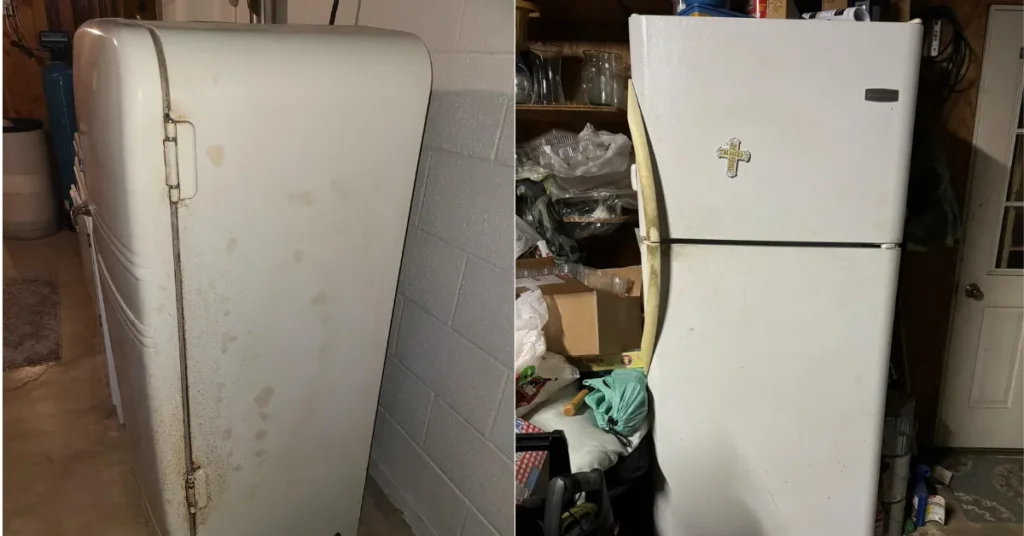
Old refrigerators should be sold, donated, recycled, or removed professionally because they are heavy and contain refrigerant that requires proper handling. B&F Junk Removal offers refrigerator pickup throughout  Hampton Roads.

old-refrigerator-removal-in-virginia-beach

Quick Answer: Your Refrigerator Disposal Options

Option Best For What to Confirm
Sell It A clean, reliable refrigerator in good working order Age, condition, dimensions, and pickup responsibility
Donate It A usable appliance accepted by a charity or reuse organization Whether the organization accepts refrigerators and offers pickup
Retailer Haul-Away Replacing the refrigerator with a new one Fee, pickup timing, and whether the old unit will be recycled
Municipal Bulk Pickup Residents who can follow local curbside rules Scheduling, preparation, refrigerant rules, and placement
Appliance Recycling Facility People who can transport the refrigerator safely Acceptance requirements, fees, and refrigerant handling
Professional Junk Removal Heavy units, indoor pickup, stairs, tight spaces, or multiple unwanted items Upfront quote, access details, and disposal process

1. Sell a Refrigerator That Still Works

Selling may be practical if the refrigerator cools consistently, seals properly, has no major damage, and is clean enough for another household. Include the brand, model number, approximate age, dimensions, known defects, and clear photos in the listing. Tell the buyer whether they must move it from inside the property.

Check the model for active safety recalls before selling it. Do not pass along an appliance with a known serious defect or a refrigerator that cannot maintain a safe temperature.

Selling is less suitable when the appliance is unreliable, excessively old, damaged, moldy, or expensive to operate. In those cases, responsible recycling or removal is usually the better route.

2. Donate a Clean, Usable Refrigerator

Some charities, reuse stores, shelters, and community organizations accept working appliances. Acceptance rules vary, so call before moving the refrigerator. Ask whether the organization:

  • currently accepts refrigerators;
  • requires a particular age or energy-efficiency level;
  • needs the appliance to be tested and fully operational;
  • provides pickup or requires drop-off; and
  • can accept a unit with cosmetic damage.

Clean the interior and exterior, remove all food, and provide accurate information about its condition. Donation is not appropriate for a refrigerator that leaks, smells strongly, has damaged wiring, fails to cool, or has been recalled without an approved remedy.

3. Ask the New-Appliance Retailer About Haul Away

If a new refrigerator is being delivered, ask the retailer whether it can remove the old one during the same visit. This can prevent a second appointment and eliminate the need to move the appliance yourself.

Before choosing this option, confirm the charge, whether the unit must be disconnected and emptied, and where it will go after pickup. ENERGY STAR advises consumers to ask retailers for assurance that an old refrigerator will be properly recycled rather than resold as an inefficient secondhand appliance.

Retailer haul-away may not work if the refrigerator is in a basement, behind a narrow stairway, disconnected at another property, or being removed without a replacement purchase.

4. Schedule Municipal Bulk Pickup in Portsmouth

Portsmouth residents may be able to use the City’s bulk-waste service, but pickup must be arranged before an item is placed at the curb. The City of Portsmouth bulk pickup page directs residents to schedule online.

Rules, accepted items, preparation requirements, and appointment availability can change. Confirm that refrigerators are accepted and ask whether proof of refrigerant recovery is required before moving the appliance outside.

Municipal pickup can be a useful option if you can safely prepare and move the refrigerator to the approved collection point. It may be less practical when the unit is upstairs, must be removed from inside, or cannot be left outside safely.

5. Use an Appliance Recycler That Accepts Refrigerators

Recycling can recover metal and other materials while allowing regulated components to be handled through an appropriate disposal chain. Ask a facility these questions before transporting the refrigerator:

  1. Do you accept household refrigerators from the public?
  2. Must the refrigerant be removed before drop-off?
  3. If so, what documentation do you require?
  4. Is there a disposal or processing fee?
  5. Do you accept the refrigerator with its doors attached during delivery?
  6. What are the unloading and vehicle requirements?

The EPA’s appliance disposal guidance explains that municipalities or facilities may require refrigerant recovery before accepting an appliance. The EPA also states that the final person in the disposal chain must ensure refrigerant is recovered before final disposal.

Never puncture a refrigerant line or try to drain the system yourself. A refrigerator that appears empty may still contain regulated refrigerant and compressor oil.

6. Hire a Refrigerator Removal Company

A full-service removal company is often the easiest choice when the refrigerator is inside the property, too heavy to move safely, located upstairs, or part of a larger cleanout. The crew can plan the route, protect the surrounding area, move the unit, load it, and take it into an appropriate disposal stream.

B&F Junk Removal removes refrigerators, freezers, washers, dryers, ovens, and other household appliances in Portsmouth and across Hampton Roads. Its appliance service states that items are sorted for disposal, recycling, or donation when appropriate and available.

Professional removal can be especially helpful for:

  • refrigerators in basements or on upper floors;
  • narrow hallways, doorways, or staircases;
  • apartment and rental-property turnovers;
  • commercial refrigerators requiring an access assessment;
  • several appliances being removed together; and
  • customers without a truck, trailer, dolly, or lifting help.

When calling, provide photos, the approximate size, the pickup address, the floor level, and details about stairs or tight turns. This helps the company understand the work before scheduling.

Why Refrigerators Need Special Disposal

Refrigerant Must Be Recovered Properly

Household refrigerators commonly enter the waste stream with their refrigerant charge intact. Under EPA safe-disposal requirements, the final disposer must ensure the refrigerant is recovered before final disposal. This is one reason refrigerators should not be treated like ordinary curbside trash or broken apart for scrap at home.

They May Contain Other Regulated Components

Depending on the appliance’s age and design, components may include refrigerant, compressor oil, mercury-containing switches, capacitors, and insulating foam. Proper processing allows qualified facilities to separate materials and manage regulated components.

Their Size Creates Moving Hazards

Refrigerators are tall, heavy, and awkward. A unit can tip on stairs, damage flooring, strike a wall, or injure someone if the load shifts. Built-in water lines, ice-maker connections, tight corners, and exterior doors can make removal more complicated.

How to Prepare a Refrigerator for Pickup

Confirm the pickup provider’s instructions first. Preparation requirements may differ for municipal collection, retailer haul-away, recycling drop-off, and full-service junk removal.

1. Remove All Food

Empty the refrigerator and freezer. Transfer usable food to a working refrigerator or cooler, and dispose of spoiled food separately according to local waste rules.

2. Unplug and Defrost the Unit

Unplug the refrigerator early enough for frost and ice to melt before pickup. Place towels or a shallow tray around the unit to catch water. Do not chip ice with a sharp tool because it can damage the appliance or puncture internal components.

3. Disconnect the Water Line Safely

If the refrigerator has an ice maker or water dispenser, shut off the correct water supply before disconnecting the line. If you cannot identify the valve or the connection is leaking, contact a qualified appliance installer or plumber.

4. Clean and Dry the Interior

Wipe out food residue and standing water. A dry interior reduces odors, leakage, and mess during removal.

5. Secure Removable Parts for Transport

Remove or secure shelves, drawers, and loose bins so they do not fall out while the refrigerator is moved. Follow the hauler’s instructions about the power cord and doors.

6. Clear the Removal Path

Move rugs, small furniture, pet items, and other obstacles. Measure narrow doors or turns if the refrigerator is unusually large. Tell the removal crew about stairs, elevators, parking restrictions, or long carrying distances.

7. Keep Children Away and Follow Virginia Door-Safety Law

Never leave an unwanted refrigerator accessible where a child could climb inside. Virginia Code § 18.2-319 prohibits discarding, abandoning, or leaving an airtight refrigerator with more than two cubic feet of interior space without first removing its doors or hinges.

Ask the scheduled hauler when doors should be removed. Do not create a new moving hazard by dismantling a unit before the pickup provider gives instructions.

What Not to Do With an Old Refrigerator

  • Do not dump it on a roadside, vacant lot, or another person’s property. Illegal dumping can lead to penalties and leaves a serious safety and environmental problem.
  • Do not cut refrigerant lines. Refrigerant recovery belongs in an appropriate disposal process.
  • Do not break the refrigerator apart for scrap at home. This can release refrigerant or oil and expose sharp metal and electrical components.
  • Do not leave it outside with an accessible airtight compartment. Follow Virginia’s door-removal requirement and the collection provider’s instructions.
  • Do not assume ordinary trash collection will take it. Refrigerators may require an appointment, special preparation, or separate processing.
  • Do not donate or sell an unsafe appliance. Check its function, condition, and recall status first.

How Much Does Refrigerator Removal Cost?

The cost depends on the refrigerator’s size, location, condition, access, and the disposal option you choose. Municipal collection may have different eligibility rules or fees from private removal. A retailer may charge for haul-away, while a professional junk removal quote may account for lifting, loading, travel, disposal, and difficult access.

Common price factors include:

  • refrigerator type and dimensions;
  • number of appliances or other items;
  • stairs, narrow turns, or long carries;
  • whether the unit is already outside;
  • commercial versus household equipment;
  • pickup timing and service area; and
  • facility or processing charges.

B&F Junk Removal’s appliance-removal page asks customers to call for an accurate quote because the type, size, and number of appliances affect pricing. Send photos and explain where the refrigerator is located to help the team assess the job.

Schedule Refrigerator Pickup With B&F Junk Removal

Need an old refrigerator removed in Portsmouth or elsewhere in Hampton Roads? B&F Junk Removal can handle the lifting, loading, and hauling. Call (757) 797-6128 or use the online booking form to request a quote. Share a photo and mention any stairs, tight doorways, or water-line connections so the team can plan the pickup.
Categories Uncategorized

How Much Does a Dumpster Rental Cost?

How Much Does a Dumpster Rental Cost?

Dumpster rental costs average $280 to $800+ nationwide in 2026. Based on dumpster size, rental period, location, debris type, and weight, total costs range from $200 for a small cleanup to $800 or higher for a large roll-off dumpster.

For dumpster rentals in Virginia, local prices may differ from the national average. Based on the supplied pricing, a 20-yard dump trailer rental costs $475 at a flat rate, including:

  • Drop-off
  • Pickup
  • 48-hour rental period

This pricing makes rental costs clearer than quotes that charge transportation, disposal, or other fees separately.

Dumpster pricing depends on more than container size. Debris amount and type, included weight allowance, disposal fees, rental duration, and placement location affect the total cost.

This guide covers dumpster rental costs, typical prices by size, daily rental rates, and additional charges to check before booking.

Dumpster Rental in Portsmouth, VA

How Much Does a Dumpster Rental Cost by Size?

Dumpster Size Typical Weekly Cost Common Uses
10 Yard $225–$575 Small cleanouts, bathroom remodeling, landscaping, limited construction debris
20 Yard $275–$700 Home cleanouts, kitchen remodeling, flooring, roofing and renovation debris
30 Yard $300–$725 Estate cleanouts, large renovations, home additions and construction projects
40 Yard $350–$800 Major construction, commercial cleanup and large demolition projects

How Much Does a Small Dumpster Rental Cost?

A small dumpster rental can cost approximately $75 to $325 per week for containers below the standard 10-yard roll-off size. A typical 10-yard dumpster costs around $225 to $575 per week nationally.

Small dumpsters may work well for projects such as:

  • Attic or garage cleanouts
  • Small room renovations
  • Bathroom remodeling
  • Minor landscaping projects
  • Flooring removal
  • Small amounts of household junk
  • Limited construction debris

Don’t choose a small dumpster based only on price, especially when disposing of dense materials.

Concrete, brick, soil and similar materials can reach a dumpster’s weight allowance long before the container appears full.

How Much Does a 20-Yard Dumpster Rental Cost?

A 20-yard dumpster generally costs about $275 to $700 per week nationwide.

A 20-yard container is a versatile choice for residential projects because it provides considerably more capacity than a small dumpster without requiring the footprint of the largest construction containers.

Typical projects may include:

  • Larger household cleanouts
  • Kitchen renovations
  • Flooring and carpet removal
  • Roofing projects
  • Moving cleanouts
  • Furniture and household debris
  • Moderate construction or remodeling waste

Virginia 20-Yard Dump Trailer Pricing

For customers comparing dumpster rental costs in Virginia, the pricing supplied for this page is:

20-Yard Dump Trailer Rental – $475 Flat Rate

The price includes:

  • Drop-off
  • Pickup
  • 48 hours of use

Because disposal policies can vary by material, customers should also confirm the included weight allowance, accepted debris and potential overage charges before booking. Those details are important when comparing a flat-rate rental with competing quotes.

How Much Does a Large Dumpster Rental Cost?

For a larger project, expect a 30- or 40-yard dumpster to cost roughly $300 to $800 per week under typical national pricing.

Current estimates put:

  • 30-yard dumpsters: approximately $300–$725
  • 40-yard dumpsters: approximately $350–$800

Large dumpsters are commonly used for:

  • Whole-home cleanouts
  • Estate cleanouts
  • Major renovations
  • Construction projects
  • Commercial cleanups
  • Home additions
  • Large quantities of bulky debris

A larger dumpster isn’t automatically the best choice, however. Heavy material may require a smaller container because transportation vehicles must stay within safe and legal weight limits.

Categories Uncategorized

How to Get Rid of Old TVs: Safe Disposal and Recycling Guide

How to Get Rid of Old TVs Safely

Old TV disposal is the safe removal, recycling, donation, or proper disposal of an unwanted television. The best option depends on the TV’s type, condition, size, and local recycling rules.

Old televisions can be heavy and difficult to carry. Some also contain materials that should not enter a regular landfill. Smart TVs may store personal data, while older tube TVs can contain hazardous electronic materials.

Homeowners in Hampton, Newport News, Norfolk, Virginia Beach, and other nearby communities can use recycling programs, donation centers, retailer services, or a professional junk removal company.

B&F Junk Removal provides a convenient local option for homeowners who need help removing bulky televisions and other unwanted electronics.

Need help removing old computers and electronics from your home? Contact B&F Junk Removal today and request a free quote.

Key Takeaways

  • Old TV disposal means donating, recycling, or responsibly removing an unwanted television instead of leaving it in storage or placing it in the trash.
  • The main safety concerns are the TV’s weight, breakable screen, electronic parts, and hazardous materials found in some older models.
  • Removing one television may take only a few minutes after pickup begins, but total timing depends on scheduling, facility hours, and local program availability.
  • Recycling helps recover useful materials and reduces the amount of electronic waste sent to landfills.
  • Professional removal is helpful for heavy TVs, multiple televisions, difficult stairways, cleanouts, moves, and homes without suitable transportation.

Why Are Old TVs Difficult to Throw Away?

Old televisions are not normal household trash. They are electronic waste, also called e-waste. TVs contain glass, plastic, wiring, circuit boards, and metal parts that require proper handling.

Older CRT or tube TVs can be especially difficult to remove. They are bulky, very heavy, and may contain leaded glass. Plasma TVs are also heavy and have large glass panels that can crack during transportation.

LED, LCD, and smart TVs may be lighter, but they still contain electronic components. These parts should be handled by an electronics recycling facility whenever possible.

Improper TV disposal can create several problems:

  • Broken screens may cause cuts.
  • Heavy TVs may injure someone during lifting.
  • Electronic materials may enter the soil or water.
  • Reusable glass, plastic, and metal may be wasted.
  • Smart TVs may still contain account or Wi-Fi information.
  • Large televisions can create unsafe, cluttered storage spaces.

Coastal humidity can also affect old electronics stored in Hampton Roads garages, sheds, and storage units. Moisture can damage parts and make old equipment harder to reuse or donate.

What Are Your Options for Getting Rid of an Old Television?

There are several safe ways to dispose of old TVs. The right choice depends on whether the television still works and whether you can transport it.

1. Use an Electronics Recycling Program

An e-waste recycling center can accept certain televisions and separate their reusable parts. Before visiting, ask whether the facility accepts your TV type.

Some locations accept LED and LCD TVs but may charge extra for CRT or plasma models. Size limits, disposal fees, and appointment rules can also vary.

2. Donate a Working Television

If the TV works and is still in good condition, consider donating it. Local charities, thrift stores, community groups, schools, or donation centers may accept useful televisions.

Call before bringing the TV. Many organizations have limits based on the television’s age, size, condition, and screen type.

A damaged, outdated, or incomplete television may not qualify for donation.

3. Check Retailer Recycling Services

Some electronics retailers offer recycling or take-back programs. These programs may include in-store drop-off, pickup with a new purchase, or recycling for a fee.

Retailer policies can change. Contact the store before loading your television into a vehicle. Confirm which TV types are accepted, whether there is a size limit, and what fees may apply.

4. Find a Local Drop-Off Location

Municipal waste management services sometimes hold electronics recycling events or provide approved drop-off locations. Availability may depend on your city or county.

Check the official waste management website for Hampton, Newport News, Norfolk, Virginia Beach, Chesapeake, Portsmouth, Suffolk, or Williamsburg. Never leave a television outside a closed facility.

5. Hire a Professional Junk Removal Service

A junk removal company can remove a television directly from your home, office, garage, basement, or storage area.

This option is useful when the TV is too heavy to move, you do not have a suitable vehicle, or you are clearing several bulky household items at once. A professional hauling service can also reduce the risk of screen damage and lifting injuries.

What Should You Do Before Removing an Old TV?

Prepare the television before taking it to a recycling center, donation site, or pickup service.

1. Disconnect All Cables and Accessories

Unplug the television and remove all connected items. These may include:

  • Power cables
  • HDMI cables
  • Streaming devices
  • Gaming systems
  • Wall-mount parts
  • TV stands
  • Remotes
  • Speakers
  • Antennas

Keep the remote and original stand with the TV if you plan to donate it.

2. Remove Personal Information From Smart TVs

Smart TVs can store account details, app logins, viewing activity, and Wi-Fi information. Sign out of streaming services and remove connected accounts.

Use the television’s settings menu to complete a factory reset. Check the manufacturer’s instructions if you cannot find the reset option.

Also remove any USB drives, memory cards, or external storage devices.

3. Check Local Disposal Requirements

Ask the recycling facility or pickup company whether it accepts your specific television.

Tell them whether you have a:

  • CRT or tube TV
  • LCD TV
  • LED TV
  • Plasma TV
  • Smart TV
  • Projection television

You should also provide the approximate screen size. This helps the company explain possible fees, pickup requirements, and handling needs.

4. Protect the Screen During Transportation

Keep the television upright when possible. Do not place heavy objects on its screen.

Use a moving blanket, cardboard, or protective cover to reduce the chance of breakage. Secure the TV so it cannot slide or fall inside the vehicle.

Do not try to lift a large television alone.

5. Prepare the TV for Pickup or Recycling

Clear a safe path from the television to the exit. Remove small furniture, rugs, boxes, and other trip hazards.

If the TV is mounted on a wall, ask whether the removal service will take it down. Some hauling services may require the television to be disconnected and placed in an accessible location before pickup.

How Does TV Recycling Work?

TV recycling starts with collection and sorting. Workers identify the type of television and inspect its condition.

The recycling process may include:

  1. Removing stands, cables, and outside covers
  2. Separating glass, metal, plastic, and circuit boards
  3. Recovering reusable materials
  4. Sorting electronic parts for further processing
  5. Handling hazardous components through approved methods

Metals and certain plastics may be processed for reuse. Glass and electronic components require special handling based on the TV type.

CRT televisions need extra care because the glass may contain lead. Flat-screen televisions may contain lamps, circuit boards, and other parts that should not enter normal household waste.

Responsible TV recycling reduces landfill waste and helps recover materials that may still have value.

Where Can Homeowners Recycle Old TVs in Hampton Roads?

Homeowners can begin by checking local recycling facilities, electronics disposal programs, retailer take-back services, and municipal waste management resources.

Program rules may differ across:

  • Hampton
  • Newport News
  • Norfolk
  • Virginia Beach
  • Chesapeake
  • Portsmouth
  • Suffolk
  • Williamsburg
  • Surrounding Hampton Roads communities

Before visiting a TV recycling center, ask these questions:

  • Do you accept my type of television?
  • Is there a screen-size limit?
  • Do you accept broken TVs?
  • Is an appointment required?
  • Are there TV disposal fees?
  • Do you offer residential pickup?
  • Can I bring other unwanted electronics?

Free TV recycling programs may be available through special community events, but they may have limited dates or capacity. Confirm the details before traveling.

Pickup can be more convenient for homeowners without a truck or large vehicle. It can also help with heavy electronics disposal when a television is upstairs, in a basement, or stored in a crowded garage.

Is Professional TV Removal Worth It?

Professional removal may be worth the cost when moving the television could be difficult, unsafe, or time-consuming.

Consider hiring an appliance and electronics removal company when you have:

  • Several old televisions
  • A heavy CRT or plasma TV
  • A large flat-screen television
  • A TV in an attic, basement, or upstairs room
  • Other bulky household items to remove
  • Limited transportation
  • A tight moving schedule
  • An estate or household cleanout
  • An office with outdated television equipment

Military and government-related moves are common across Hampton Roads. A pickup service can help families remove unwanted electronics before a move or downsizing deadline.

Professional hauling is also useful after a home renovation, home office upgrade, or garage cleanout. Instead of arranging separate trips for televisions and other clutter, homeowners can ask whether everything can be collected during one appointment.

The cost of old TV disposal depends on factors such as the TV’s size, type, location, quantity, and local recycling fees. Ask for a clear quote before scheduling. Also confirm whether the price covers labor, transportation, and disposal.

How B&F Junk Removal Makes TV Disposal Simple

B&F Junk Removal offers homeowners a convenient way to clear unwanted televisions and other bulky electronics.

The process begins with a quote request. Provide the number of TVs, their approximate sizes, their locations inside the home, and information about any stairs or narrow spaces.

The local team can then explain the available pickup process and scheduling options.

B&F Junk Removal focuses on:

  • Professional pickup
  • Safe handling practices
  • Careful removal of bulky electronics
  • A customer-focused process
  • Responsible disposal options
  • Convenient service for household cleanouts

Professional TV removal can save homeowners from lifting heavy equipment, finding a suitable vehicle, and searching for a facility that accepts their television.

Contact B&F Junk Removal to discuss your old TV and request a free quote.

Categories Uncategorized

How to Get Rid of Old Computers Safely: Complete Disposal Guide

How to Get Rid of Old Computers Safely: Complete Disposal Guide

Old computer disposal is the process of safely removing outdated computers, laptops, and electronic equipment through recycling, donation, or professional removal services.

The best way to get rid of an old computer is to save the files you need, remove your personal information, and then choose reuse, donation, recycling, or pickup based on the device’s condition. A working laptop may help a new owner. A broken desktop may need electronics recycling. A large group of devices may be easier to clear with an old computer pickup service.

Old desktops, broken laptops, computer monitors, printers, cables, and hard drives can quickly fill a closet or garage. They may also hold names, photos, passwords, tax records, and other private files. This makes safe computer disposal both a space issue and a data privacy issue.

For homeowners in Hampton Roads, the problem often appears during a home office upgrade, household cleanout, military-related move, or downsizing project. Electronics stored in a garage may also be harmed by coastal humidity over time. B&F Junk Removal provides a local, customer-focused way to remove accepted computers and other unwanted electronics without the trouble of loading and transporting everything yourself.

Need help removing old computers and electronics from your home? Contact B&F Junk Removal today and request a free quote.

Key Takeaways

  • Old computer disposal means choosing a safe path for outdated devices, such as reuse, donation, electronics recycling, or professional pickup.
  • The main safety concern is personal data. Back up needed files, sign out of accounts, and wipe or remove the storage drive before the computer leaves your control.
  • A small home pickup can often be completed in one visit after the devices are prepared. The exact schedule depends on the number of items, access, and service availability.
  • Responsible computer recycling reduces electronic waste buildup and helps recover useful metals, plastics, glass, and parts.
  • Professional help makes sense when you have several computers, heavy monitors, office equipment, limited transportation, or a deadline for moving or clearing a home.

Why Should You Avoid Throwing Old Computers in the Trash?

Computers are electronic waste, also called e-waste. They are made from mixed materials that need more care than normal household trash. A desktop tower may contain circuit boards, metals, plastic, cables, a hard drive, and a battery. Monitors and laptops also have screens and other parts that should be handled through an appropriate electronics disposal service.

Some electronic parts may contain materials that can cause problems when devices are broken, burned, or left in a landfill. Recycling keeps more useful material in circulation and reduces the amount of waste that must be buried or burned.

There is also a personal data risk. Deleting a few files or moving them to the Recycle Bin does not always remove the data from a hard drive or SSD. If the computer changes hands without a proper wipe, private information may still be recoverable.

Computer recycling is usually a better choice than throwing a device away. Before using any drop-off or pickup service, confirm that it accepts your type of equipment and ask how storage drives are handled.

What Is the Best Way to Dispose of an Old Computer?

The best choice depends on whether the computer still works, whether it has useful value, and how many devices you need to remove.

1. Sell or Trade In a Working Computer

A newer device may still have resale or trade-in value. Check its age, condition, battery health, and current market demand. If you decide to sell an old computer for cash, remove your accounts and wipe the drive before handing it over.

2. Donate a Usable Computer

Donation may be a good option for a working laptop or desktop that can still run supported software. Ask the donation center about its age, condition, accessory, and operating system rules before you travel.

Do not donate a device that is unsafe, badly damaged, or unable to meet the receiving group’s needs.

3. Recycle a Broken or Outdated Device

Computer recycling is often the right choice for devices that no longer work or have little reuse value. A recycler can sort the unit and recover suitable components and raw materials.

Look for a responsible electronics recycling company that clearly explains what it accepts and how it manages hard drives.

4. Arrange Data Destruction When Needed

Data wiping may be enough for many home computers when it is done correctly. A failed or highly sensitive drive may require physical hard drive destruction by a qualified provider.

Ask whether the service offers data wiping, drive removal, physical destruction, or written proof. Do not assume these services are included with basic junk removal.

5. Book Professional Pickup

A computer junk removal service is useful when you have several old desktops, monitors, printers, and boxes of accessories. Pickup also saves you from lifting heavy equipment or making several drop-off trips.

How Do You Prepare an Old Computer Before Disposal?

Prepare the device before it is donated, recycled, sold, or picked up. These five steps can protect your information and make sorting easier.

1. Back Up Important Files

Copy documents, photos, videos, browser bookmarks, and other needed files to a new computer, an external drive, or secure cloud storage.

Open a few copied files to make sure the backup works before erasing the old device.

2. Remove Personal Accounts

Sign out of email, browsers, cloud storage, banking tools, and subscription apps. Remove saved passwords and disconnect the device from services linked to your account.

If the computer belongs to an employer, school, military branch, or government office, get approval from the owner or IT team before doing anything to it.

3. Wipe the Hard Drive or SSD

Use the computer maker’s or operating system’s reset and secure erase instructions. A hard drive and an SSD store data in different ways, so use a method made for that type of storage.

A normal file deletion is not the same as a full wipe. If the computer will not turn on, consider removing the drive or asking a qualified data destruction provider for help. When privacy is critical, confirm the process before giving the device to anyone.

4. Remove Accessories and Loose Storage

Check ports, cases, drawers, and bags for USB drives, memory cards, discs, and security keys. Keep any mouse, keyboard, charger, or adapter you still need.

Bundle unwanted cables so they are easier to carry and sort.

5. Separate Monitors and Peripherals

Place computer monitors, printers, scanners, speakers, and battery backups beside the main computer. Do not put them inside the desktop case.

Tell the pickup or recycling service exactly what you have, since screens, batteries, ink, and toner may follow different handling rules.

Can Old Computers Be Recycled?

Yes, many old computers can be recycled. The full device may not become one new computer, but its parts and materials can be sorted for reuse or recovery.

The process usually begins with an inspection. A working device may be set aside for reuse or repair. A device that cannot be reused may be taken apart. Workers can separate circuit boards, cables, metals, plastic, glass, batteries, and storage drives.

Useful parts may be recovered. Other materials may be sent to specialized facilities for further processing. Items that cannot be recovered must be handled through an appropriate disposal path.

Hard drives and SSDs need special attention because they may contain personal data. A responsible computer recycling process should explain whether drives are wiped, removed, or destroyed. Homeowners should still prepare their own data before recycling whenever possible.

Where Can You Take Old Computers for Recycling in Hampton Roads?

Residents can look at several local computer disposal options:

  • City or regional electronics collection programs
  • Manufacturer or retailer take-back programs
  • Donation centers that accept working computers
  • Electronics recycling companies that accept computers
  • Junk removal and old computer pickup services

Options may be available in or near Hampton, Newport News, Norfolk, Virginia Beach, Chesapeake, Portsmouth, Suffolk, and Williamsburg. Rules can differ by location and provider.

Before leaving home, confirm the accepted device types, drop-off hours, possible fees, residency rules, quantity limits, and hard drive policy.

A free computer recycling option may be the cheapest path when you have one small device and can transport it. Donation can also cost little when the computer works and meets the receiving group’s rules.

A pickup service costs more than a free drop-off in many cases, but it adds labor, loading, transportation, and convenience.

Pickup is especially helpful for older electronics stored in garages, upstairs rooms, or crowded home offices. If coastal humidity has left a device wet, rusty, or badly damaged, do not plug it in to test it. Tell the removal team about its condition before pickup.

If you are comparing computer recycling services near you, ask the same questions of each company:

  • What items do they take?
  • Do they offer pickup?
  • How are hard drives handled?
  • Are there extra charges for monitors, stairs, or a large volume?

Clear answers make it easier to choose a reliable local computer recycling company.

When Should You Hire a Computer Disposal Service?

Hiring a professional service makes sense when the job is larger, heavier, or harder to transport than a simple drop-off.

Consider a computer disposal service when:

  • You need to get rid of multiple old computers at once.
  • You have heavy desktop towers, monitors, printers, or battery backups.
  • You are clearing a home office after an equipment upgrade.
  • You are moving, downsizing, or completing an estate cleanout.
  • You have no vehicle or cannot safely lift the equipment.
  • You need old devices removed within a set cleanup schedule.
  • You are removing computer equipment from an office or small business.

For business computer recycling or office computer equipment disposal, make a basic item list first. Note the number of desktops, laptops, monitors, printers, drives, and accessories.

Confirm who owns each device and follow the company’s data and record-retention rules. This is very important during military, government, and contractor moves.

The cost of computer disposal depends on the number and type of items, their location in the property, labor needs, travel, and any special handling.

The cheapest method may be a free drop-off or donation for one usable device. An affordable pickup service may offer better overall value when it prevents several trips or includes other junk from the same cleanout.

If you need someone to haul away old computers today, ask whether same-day service is available. Do not assume it is offered. Share photos and a complete item list so the company can give a more useful quote.

How B&F Junk Removal Helps With Old Computer Disposal

B&F Junk Removal gives Hampton Roads homeowners a simple way to clear unwanted computers and related electronics. The process starts with sharing what you have, where it is located, and how soon you need it removed.

Easy Scheduling

Contact the team with an item list or clear photos. Mention old desktops, broken laptops, computer monitors, printers, hard drives, cables, and any other electronics.

The team can confirm which items are accepted and discuss an appointment window.

Convenient Pickup

On pickup day, the local team removes the approved items from your home, garage, storage area, or office. This helps reduce lifting, loading, and transportation problems for the homeowner.

Safe Handling Practices

Computer equipment can be awkward, sharp, dusty, or heavy. Professional handling helps protect the home and keeps the cleanup organized.

Tell the team about cracked screens, swollen batteries, water damage, or loose parts before they arrive.

A Customer-Focused Process

You can explain the size of the job, access issues, and other junk that must go. This makes the quote and pickup plan easier to understand.

If you have questions about recycling, donation, or hard drive handling, ask before booking.

B&F Junk Removal focuses on the physical removal of accepted items. Complete your data backup and drive wipe before pickup, or arrange a separate qualified data destruction service when needed.

Request a free quote to learn more about pickup options for your home or small office in Hampton Roads and surrounding communities.

Categories Uncategorized

How to Dispose of a Couch | 7 Easy Couch Disposal Methods

How to Dispose of a Couch | 7 Easy Couch Disposal Methods

Getting rid of an old couch doesn’t have to be a stressful task. Whether your sofa is worn out, taking up too much space, or simply ready for an upgrade, there are several easy ways to dispose of it. From donating and recycling to selling or calling a junk removal service, this guide covers 7 simple couch disposal methods to help you remove it quickly and responsibly.

1. Donate Your Couch to Someone Who Needs It

Donating your couch is a simple way to get rid of unwanted furniture while helping someone in need. Instead of throwing your old sofa away, you can give it to a family, charity, or organization that can reuse it. This option is best for couches that are still clean, safe, and in usable condition.

Where Can You Donate an Old Couch?

You can donate your couch to local charities, thrift stores, nonprofit organizations, shelters, community centers, or furniture donation programs. Many organizations also provide couch pickup services, so you may not need to move the heavy furniture yourself.

How Much Does Couch Donation Cost?

In most cases, donating a couch is free. Some organizations offer free pickup, while others may charge a small transportation fee depending on your location and pickup requirements. Always confirm the donation guidelines and any possible fees before scheduling a pickup.

2. Sell Your Couch Online or Locally

Selling your old couch is a great option if it is still in good condition and has value. Instead of paying for disposal, you can make some extra money by finding someone who needs affordable furniture. This method works best for couches that are clean, comfortable, and free from major damage.

Where Can You Sell an Old Couch?

You can sell your couch through online marketplaces, local buy-and-sell groups, classified websites, or community apps. You can also ask friends, family, or neighbors if they are interested. Adding clear photos, measurements, and an honest description can help you find a buyer faster.

How Much Can You Make Selling a Couch?

The price depends on the couch’s age, brand, condition, size, and demand in your area. Used couches may sell anywhere from a small amount to several hundred dollars. Keep in mind that you may need to arrange pickup or delivery, especially for large furniture items.

3. Recycle Your Old Couch Responsibly

Couch recycling is a responsible way to dispose of an old sofa by breaking it down and reusing materials instead of sending it to a landfill. Many couches contain materials like wood, metal, foam, and fabric that can be separated and recycled. This option is ideal for couches that are damaged, worn out, or no longer suitable for donation.

Where Can You Recycle an Old Couch?

You can recycle your couch through local recycling centers, furniture recycling programs, waste management facilities, or specialized junk removal companies that handle furniture recycling. Some areas also offer bulk furniture recycling pickup services for large items like sofas and couches.

How Much Does Couch Recycling Cost?

The cost of recycling a couch depends on your location, the recycling facility, and whether pickup service is required. Some recycling centers accept couches for free, while others may charge a small fee. Professional furniture removal services may include recycling as part of their disposal package.

4. Hire a Professional Couch Removal Service

Professional couch removal is a convenient way to get rid of an old or unwanted sofa without the stress of lifting, loading, or transporting heavy furniture yourself. A junk removal company handles the entire process, including carrying the couch out of your home, hauling it away, and disposing of it responsibly.

Why Choose B&F Junk Removal for Couch Disposal?

If you need a fast and hassle-free solution, B&F Junk Removal provides reliable couch removal services to help homeowners and businesses clear out unwanted furniture. Our team handles everything from single couch pickups to complete furniture cleanouts, saving you time and effort. We focus on responsible disposal by donating, recycling, or properly disposing of items whenever possible.


Whether your couch is old, damaged, oversized, or simply taking up space, B&F Junk Removal makes the removal process simple and convenient.

How Much Does Couch Removal Cost?

The cost of professional couch removal depends on factors such as the couch size, number of items, location, and disposal requirements. Many junk removal companies offer upfront estimates based on the volume of furniture being removed. Contact B&F Junk Removal for a quick quote and an easy way to get rid of your unwanted couch.

5. Take Your Couch to a Local Disposal Facility

A couch disposal facility is a local waste management center where you can drop off large furniture items for proper disposal. This option allows you to handle the removal yourself by transporting your old couch to a facility that can process, recycle, or dispose of it according to local regulations.

Where Can You Take an Old Couch?

You can take your couch to a local landfill, transfer station, municipal waste facility, or furniture disposal center. Before visiting, check whether the facility accepts large furniture items and if there are any specific requirements for drop-off. Some locations may have designated days for bulky item disposal.

How Much Does It Cost to Dispose of a Couch at a Facility?

The cost varies depending on your location and the facility’s policies. Some disposal centers accept couches for free, while others may charge a small disposal fee. You should also consider transportation costs, such as renting a truck or paying for fuel, if you need to move a large couch yourself.

6. Repurpose or Upcycle Your Old Couch

Repurposing or upcycling an old couch means giving your furniture a new purpose instead of throwing it away. This option allows you to reuse parts of the couch, such as cushions, fabric, wood, or frames, for creative home projects. It is a great choice if your couch has sentimental value or only certain parts are damaged.

How Can You Repurpose an Old Couch?

You can transform an old couch by reupholstering it, replacing worn cushions, using fabric for DIY projects, or turning usable materials into new furniture pieces. With some creativity, an outdated sofa can become a refreshed piece that fits your space.

How Much Does Couch Upcycling Cost?

The cost depends on the project and materials needed. Simple DIY repairs may cost very little, while professional reupholstery can be more expensive. Upcycling can still be a cost-effective alternative compared to buying a brand-new couch.

7. Ask for Curbside Pickup or Bulk Trash Removal

Curbside pickup is a service offered by some cities and waste management providers that allows residents to place large items, like old couches, outside their homes for scheduled collection. The service helps homeowners remove bulky furniture without transporting it themselves.

How Does Bulk Trash Removal Work?

To use bulk trash removal, you typically need to schedule a pickup date with your local waste department or follow your city’s guidelines for placing large items at the curb. Some areas have specific rules about pickup days, item limits, and preparation requirements.

How Much Does Curbside Couch Removal Cost?

The cost depends on your local waste service and location. Some municipalities provide free bulk item pickup for residents, while others charge a small fee. If curbside pickup is unavailable or inconvenient, hiring a professional junk removal company can provide a faster and easier solution.

Choose the Best Way to Dispose of Your Couch

Getting rid of an old couch doesn’t have to be difficult. Whether you choose to donate, sell, recycle, repurpose, or use a professional removal service, the best option depends on your couch’s condition, your budget, and how quickly you need it gone.

If your couch is too heavy, damaged, or difficult to move, B&F Junk Removal can make the process simple. Our team provides fast and reliable couch removal services, handling the lifting, hauling, and responsible disposal so you don’t have to worry about the hard work.

Need your old couch removed? Contact B&F Junk Removal today for a quick quote and hassle-free furniture removal service.

Categories Uncategorized

How Much Does Junk Removal Cost in Virginia Beach?

How Much Does Junk Removal Cost in Virginia Beach?

Junk removal cost in Virginia Beach is the price of having a crew lift, load, haul, and properly sort unwanted items from your home, rental, office, or job site. With B&F Junk Removal, pricing is based on how much truck space your items use.

B&F Junk Removal prices start at $171.25 for a quarter load and reach $685 for a full truck load.

Call now, book online, or request a free quote to confirm the right load size before pickup.

Key Takeaways

  • B&F Junk Removal charges $171.25 for a quarter load, $342.50 for a half load, $513.75 for a three-quarter load, and $685 for a full truck load.
  • Your final load size depends mainly on item volume, bulky furniture, access to the items, and whether the job includes mixed debris.
  • A small pickup can be suitable for a few trash bags, yard debris, or one or two small furniture items, while estate cleanouts and whole-house junk often need a full truck.
  • Professional junk removal saves you from heavy lifting, multiple dump runs, trailer rental, and sorting different materials yourself.
  • Virginia Beach residents can also check the City’s bulky-item and disposal options, but a private removal crew is often more practical for larger cleanouts, tight deadlines, or items located inside the property

Virginia Beach Junk Removal Pricing Guide

Load size Price Common examples
Quarter Load $171.25 Small furniture, trash bags, yard debris
Half Load $342.50 Couch and chairs, garage junk, apartment cleanout
Three-Quarter Load $513.75 Multiple furniture pieces, renovation debris, moving cleanouts
Full Truck Load $685 Estate cleanouts, eviction cleanouts, whole-house junk removal

Every job is different. Send photos or request a free quote if you are not sure whether your items fit a quarter, half, three-quarter, or full truck load.

What Affects Junk Removal Cost?

The biggest factor is how much truck space your junk requires. Other factors may include:

  • Size and weight of the items
  • Total amount of junk
  • Stairs, elevators, or difficult access
  • Furniture, yard waste, electronics, or mixed materials
  • Larger estate, eviction, or renovation cleanouts

Providing photos before booking can make it easier to estimate the correct load size.

Junk Removal vs. Dumpster Rental

Professional junk removal is a good option when your items are ready to go and you want a crew to handle the lifting and hauling.

A dumpster may be more suitable for a renovation or demolition project where debris will accumulate over several days. With junk removal, the crew arrives, loads your unwanted items, and removes them during the scheduled visit.

Can Virginia Beach Pick Up Bulky Items?

Virginia Beach provides bulky-item pickup for eligible curbside-service residents. However, private junk removal may be more convenient when items are inside the property, you have a large cleanout, or you need everything removed in one visit.

Why Choose B&F Junk Removal?

B&F Junk Removal makes the process simple:

  1. Request a free quote and share photos.
  2. Confirm the appropriate load size.
  3. Schedule your pickup.
  4. Let the crew lift and load the items.
  5. Reusable, recyclable, and disposal-bound materials are sorted where practical.

You don’t have to move heavy furniture or make multiple disposal trips yourself.

Ready to Clear the Clutter?

Whether you’re removing a few unwanted items, cleaning out a garage, preparing a rental property, or clearing an entire home, B&F Junk Removal offers straightforward load-based pricing in Virginia Beach and Hampton Roads.

Call now, book online, or request a free quote to find the right load size for your cleanup.

Portsmouth Trash Removal and Pickup Services
Categories Uncategorized

How to Avoid Creating Waste Through Upcycling and Recycling

How to Avoid Creating Waste Through Upcycling and Recycling

Every year, Americans generate over 290 million tons of municipal solid waste, according to the U.S. Environmental Protection Agency (EPA). Much of this waste ends up in landfills, contributing to pollution, greenhouse gas emissions, and the depletion of natural resources.

The good news is that reducing waste doesn’t require drastic lifestyle changes. By embracing upcycling, recycling, and responsible disposal practices, homeowners and businesses can significantly decrease their environmental impact while saving money and creating cleaner, more organized spaces.

In this guide, you’ll learn practical ways to avoid creating waste through upcycling and recycling, along with expert tips for handling unwanted items responsibly.

Why Reducing Waste Matters

Waste reduction goes beyond simply keeping your home clean. Every item diverted from a landfill helps:

  • Reduce greenhouse gas emissions
  • Preserve natural resources
  • Save energy used in manufacturing
  • Protect wildlife and ecosystems
  • Extend landfill lifespan
  • Support a more sustainable economy

By making small changes in how we manage unwanted materials, we can collectively make a substantial difference for future generations.

What Is Upcycling?

Upcycling is the process of creatively transforming old, unwanted, or discarded items into something useful, functional, or even more valuable than the original product.

Unlike recycling, which often breaks materials down into raw components, upcycling preserves the material while giving it a new purpose.

Popular Upcycling Ideas

Transform Old Furniture

Instead of throwing away worn furniture, consider:

  • Refinishing wooden tables
  • Repainting cabinets
  • Converting dressers into bathroom vanities
  • Turning bookshelves into storage benches

Repurpose Glass Containers

Glass jars and bottles can become:

  • Food storage containers
  • Decorative lighting fixtures
  • Plant holders
  • Bathroom organizers

Reuse Old Clothing

Worn-out clothing can be transformed into:

  • Reusable shopping bags
  • Cleaning rags
  • Quilts and blankets
  • Pet bedding

Reclaim Wood Materials

Old pallets, fencing, and lumber can be repurposed into:

  • Outdoor furniture
  • Garden planters
  • Accent walls
  • Shelving units

Benefits of Upcycling

Upcycling offers several advantages:

  • Reduces landfill waste
  • Conserves raw materials
  • Saves money on new purchases
  • Encourages creativity
  • Creates unique, personalized items
  • Supports sustainable living

Many homeowners are surprised by how many everyday items can be given a second life rather than ending up in the trash.

What Is Recycling?

Recycling is the process of collecting, sorting, and processing materials so they can be used to manufacture new products.

Common recyclable materials include:

  • Paper
  • Cardboard
  • Aluminum cans
  • Steel products
  • Glass containers
  • Certain plastics
  • Electronic components

When done correctly, recycling reduces the need for virgin materials and lowers the environmental impact of production.

The Environmental Impact of Recycling

Recycling has measurable environmental benefits.

For example:

  • Recycling aluminum saves up to 95% of the energy required to produce new aluminum from raw ore.
  • Recycling paper reduces the need for tree harvesting and lowers water consumption.
  • Recycling steel conserves iron ore and significantly reduces manufacturing emissions.

These savings add up quickly when communities participate consistently.

How to Recycle Properly

Many recyclable materials end up in landfills because of contamination or improper sorting.

Follow these best practices:

1. Know Local Recycling Guidelines

Not all recycling programs accept the same materials. Check your local recycling requirements before placing items in your bin.

2. Clean Recyclables

Food residue and liquids can contaminate entire recycling loads.

Before recycling:

  • Rinse bottles and containers
  • Remove food waste
  • Empty liquids completely

3. Separate Materials Correctly

Keep paper, cardboard, plastics, and metals sorted according to local guidelines.

4. Avoid Wish-Cycling

Many people place non-recyclable items into recycling bins hoping they can be processed. This often creates additional waste and costs.

When in doubt, verify before recycling.

Upcycling vs. Recycling: Which Is Better?

Both practices are beneficial, but upcycling is often considered the more sustainable option because it requires less energy.  
Upcycling Recycling
Extends product lifespan Recovers raw materials
Requires little to no processing Supports manufacturing industries
Maintains material integrity Reduces demand for virgin resources
The most effective waste reduction strategy combines both approaches whenever possible.

Practical Ways to Reduce Waste Every Day

Whether you’re a homeowner, landlord, business owner, or property manager, these habits can dramatically reduce waste generation.

Choose Products with Less Packaging

Look for products that use:

  • Recyclable packaging
  • Minimal packaging
  • Refillable containers

Donate Usable Items

Many items still have value to others.

Consider donating:

  • Furniture
  • Clothing
  • Appliances
  • Electronics
  • Household goods

Repair Before Replacing

Fixing damaged items often costs less than buying new ones and prevents unnecessary waste.

Buy Quality Products

Durable products typically last longer and reduce replacement frequency.

Reuse Containers

Many household containers can be reused for storage, organization, or crafts.

Educate Family Members

Waste reduction is most effective when everyone participates.

Teaching children and family members about recycling and reuse can create lifelong sustainable habits.

When Upcycling and Recycling Aren't Enough

Sometimes items become too damaged, outdated, or bulky to reuse or recycle independently.

Large items such as:

  • Old furniture
  • Appliances
  • Construction debris
  • Renovation materials
  • Household junk

can quickly overwhelm your home or business.

That’s where professional junk removal services become an important part of responsible waste management.

Eco-Friendly Junk Removal in Hampton Roads

When it’s time to clear out unwanted items, B&F Junk Removal helps homeowners and businesses dispose of materials responsibly.

Our team provides fast, affordable, and environmentally conscious junk removal services throughout Hampton Roads.

We remove:

Whenever possible, we prioritize:

  • Recycling eligible materials
  • Donating usable items
  • Diverting waste from local landfills

This helps support a circular economy while making cleanup easier for our customers.

Why Choose B&F Junk Removal?

When you work with B&F Junk Removal, you benefit from:

  • Fast response times
  • Affordable pricing
  • Professional crews
  • Eco-friendly disposal practices
  • Residential and commercial services
  • Stress-free junk removal

Whether you’re cleaning out a garage, preparing a property for sale, renovating a home, or managing a commercial cleanout, our team can help.

Final Thoughts

Reducing waste starts with simple choices. Upcycling gives old items new life, recycling conserves valuable resources, and professional junk removal ensures unwanted materials are handled responsibly.

By combining these strategies, you can create a cleaner home, reduce environmental impact, and contribute to a more sustainable future.

If you have unwanted furniture, appliances, construction debris, or household junk taking up valuable space, B&F Junk Removal is ready to help.

Related Articles

Get a Free Quote