
How to Get Rid of Furniture: 7 Ways to Dispose of Unwanted Furniture
- Brian Turner
If you’re trying to figure out how to get rid of furniture, you have several options. You can sell it, donate it, give it away, recycle certain materials, use a local bulk-waste service, rent a dumpster, or hire a junk removal company.
The best choice depends on the condition of the furniture, its size, how quickly you need it gone, and whether you can move it yourself.
This guide explains the main furniture disposal options, what works for different types of furniture, and when professional furniture removal may make more sense.
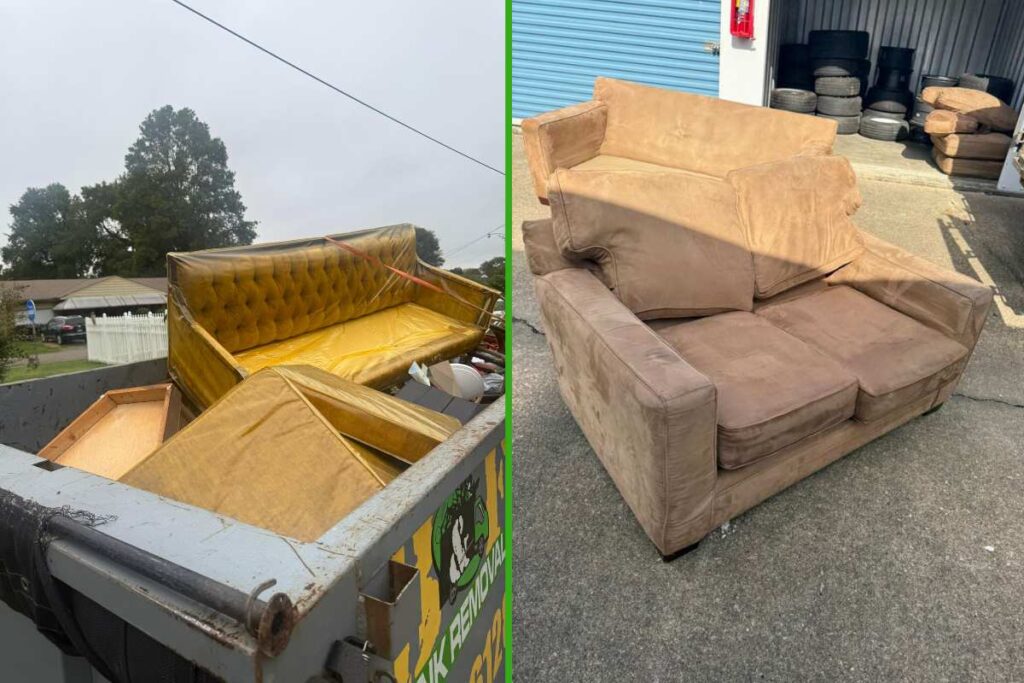
1. Sell Furniture That Is Still in Good Condition
Furniture that is clean, usable, and in reasonable condition may still have resale value.
You can try selling items such as:
- Couches and sofas
- Dining tables
- Chairs
- Dressers
- Desks
- Bed frames
- Bookshelves
- Cabinets
Online marketplaces, community groups, yard sales, and local resale shops can help you find buyers.
Selling furniture may take time, so this option works best when you are not in a hurry to clear the space.
2. Donate Usable Furniture
Donation can be a good option when the furniture is still usable but you no longer want it.
Some charities, nonprofit organizations, thrift stores, shelters, and community groups accept furniture.
Before taking an item somewhere, check what the organization currently accepts. Some locations may refuse:
- Heavily stained furniture
- Broken furniture
- Mattresses
- Upholstered items with damage
- Furniture with pests or mold
- Very large or difficult-to-move pieces
Some organizations may offer pickup, while others require you to deliver the furniture yourself.
3. Give the Furniture Away
If selling feels like too much work, giving furniture away can sometimes get it out of your home faster.
You can offer it through:
- Neighborhood groups
- Community boards
- Social media groups
- Local giveaway platforms
- Friends or family
Be clear about the item’s condition, measurements, and whether the person taking it needs to move it themselves.
4. Check Local Bulk Furniture Disposal Options
Some cities and waste providers offer bulk item pickup for large household items.
Depending on your local rules, bulk pickup may accept items such as:
- Sofas
- Chairs
- Tables
- Dressers
- Mattresses
- Bed frames
There may be limits on the number of items, pickup dates, placement rules, or fees.
Check with your local waste department before leaving furniture at the curb. Putting large furniture outside without following local collection rules may result in the item being left behind.
5. Recycle Furniture When Possible
Not every piece of furniture has to go directly into the trash.
Some furniture contains recyclable materials such as:
- Metal
- Wood
- Certain plastics
- Cardboard
- Springs and other metal components
Furniture recycling can be more complicated than normal household recycling because pieces often contain several different materials.
You may need to take the furniture apart before individual materials can be recycled.
Check with local recycling centers to find out which furniture materials they accept.
6. Rent a Dumpster for a Larger Cleanout
A dumpster can make sense when furniture is only one part of a much larger cleanup.
For example, you might use one during:
- Estate cleanouts
- Moving
- Home renovations
- Rental property cleanouts
- Garage cleanouts
- Whole-home decluttering
Before putting furniture into a dumpster, check the rental company’s rules. Certain materials and items may have restrictions or additional disposal requirements.
For just one couch or a few pieces of furniture, a dumpster may be more space than you need.
7. Hire a Junk Removal Company
Professional furniture removal can be one of the simplest options when the furniture is heavy, bulky, difficult to move, or you need it removed quickly.
A junk removal crew can typically handle the lifting, carrying, loading, and transportation.
This can be useful for items such as:
- Couches
- Sectionals
- Recliners
- Dressers
- Tables
- Desks
- Cabinets
- Bookshelves
- Bed frames
- Other bulky household furniture
The exact items a company accepts can vary, so confirm before booking.
What Is the Best Way to Get Rid of Furniture?
The best method depends mainly on the furniture’s condition and your situation.
| Furniture Situation | Disposal Option to Consider |
|---|---|
| Good condition and valuable | Sell it |
| Good condition but no longer needed | Donate it |
| Usable and needs to go quickly | Give it away |
| Accepted by municipal collection | Bulk pickup |
| Made from recyclable materials | Recycling |
| Part of a large property cleanout | Dumpster rental |
| Heavy, bulky, or difficult to move | Junk removal |
There is no single method that works for every item.
Start by asking whether the furniture can still be reused. If not, check recycling or local disposal options before deciding how to remove it.
How to Get Rid of a Couch
Couches are among the more difficult pieces of furniture to dispose of because they are large, heavy, and often contain several different materials.
Your main options include:
- Selling the couch if it is still in good condition.
- Donating it if a local organization accepts upholstered furniture.
- Giving it away locally.
- Scheduling bulk waste pickup.
- Taking it to an approved disposal facility.
- Hiring a junk removal company.
Measure doorways, hallways, stairways, and the couch itself before trying to move it.
If removing the couch requires unsafe lifting or navigating difficult stairs, professional removal may be the better option.
How to Get Rid of a Mattress
Mattresses often have different disposal rules from normal furniture.
Some areas offer mattress recycling programs, while certain waste services require special scheduling or fees.
Possible options include:
- Mattress recycling
- Retailer take-back programs
- Local bulk pickup
- Approved disposal facilities
- Junk removal services
Check local regulations before placing a mattress outside.
How to Get Rid of a Bed Frame
Bed frames are often easier to dispose of because many can be disassembled.
Metal bed frames may be accepted by scrap or recycling facilities. Wooden frames may have different disposal options depending on their condition and construction.
If the frame is still usable, consider selling, donating, or giving it away before disposing of it.
How to Get Rid of a Dresser
A dresser in good condition may be easy to sell or donate.
Damaged dressers may need to be taken to a bulk waste facility, recycling center, dumpster, or junk removal service.
Remove everything from the drawers before moving it. Taking drawers out can also reduce the weight of the dresser during removal.
How to Get Rid of a Table and Chairs
Tables and chairs are often good candidates for reuse.
Consider:
- Selling the set
- Donating it
- Giving it away
- Recycling usable materials
- Using bulk waste pickup
- Hiring furniture removal
Tables that can be disassembled may also be easier and safer to transport.
What to Do With Broken Furniture
Broken furniture may not be suitable for donation or resale.
Your remaining options may include:
- Recycling usable materials
- Municipal bulk pickup
- A waste transfer facility
- Dumpster rental
- Junk removal
Avoid donating furniture that is badly damaged, contaminated, or unsafe for someone else to use.
Can You Leave Furniture on the Curb?
Only if your local waste provider permits it.
Many municipalities have specific rules for large-item collection. You may need to schedule a pickup, place furniture outside on a particular day, or follow preparation requirements.
Check your local rules before putting a couch, mattress, dresser, or other large item on the curb.
Can Furniture Go in a Dumpster?
Many types of ordinary household furniture can go into certain dumpsters, but rules vary by rental company and disposal facility.
Always check the list of accepted and prohibited materials before loading a dumpster.
A dumpster tends to make more sense when you are removing furniture along with a larger amount of household junk or renovation debris.
How Much Does Furniture Removal Cost?
Furniture removal costs depend on factors such as:
- Number of items
- Size and weight
- Amount of space the items take up
- Accessibility
- Stairs
- Required labor
- Location
- Disposal or recycling requirements
Because these factors vary from job to job, getting a quote based on the actual furniture you need removed is more useful than relying on one general price.
Should You Remove Furniture Yourself or Hire Someone?
DIY furniture disposal may work when the item is small enough to move safely and you have access to suitable transportation.
Professional removal can make more sense when:
- The furniture is extremely heavy.
- You have several items.
- Furniture must be carried downstairs.
- You do not have a truck.
- You are clearing an entire property.
- You need the furniture gone quickly.
- Moving it yourself could cause injury or property damage.
The cheapest option is not always the easiest option, so consider the time, lifting, transportation, and disposal requirements involved.
Frequently Asked Questions
Where can I get rid of unwanted furniture?
Depending on its condition, you may be able to sell, donate, give away, recycle, schedule bulk pickup, take it to a disposal facility, rent a dumpster, or use a junk removal service.
How do I get rid of furniture for free?
Selling it, donating it, giving it away, or using a free municipal bulk pickup program may allow you to remove furniture without paying a disposal company. Availability depends on your local area and the condition of the furniture.
What is the easiest way to get rid of old furniture?
For usable furniture, giving it away or donating it may be simple. For heavy, broken, or bulky furniture, junk removal can be easier because the crew handles the lifting, loading, and transportation.
Can I throw furniture in the regular trash?
Large furniture usually does not fit normal household trash collection requirements. Check your local waste provider’s rules for bulky items before putting furniture out for collection.
Who will pick up unwanted furniture?
Depending on where you live, charities, municipal bulk-waste programs, moving services, recycling companies, or junk removal companies may offer furniture pickup.
What furniture can be donated?
Organizations commonly consider clean and usable tables, chairs, dressers, desks, couches, and other household furniture, but acceptance rules vary. Contact the organization before bringing or scheduling an item.
Need Help Removing Unwanted Furniture?
If selling, donating, or transporting furniture yourself is not practical, a local junk removal company can handle the heavy lifting and haul the items away.
Ask what furniture they accept, how pricing works, and what happens to the items after collection before scheduling your pickup.